




































By Admin
Africa must embrace Public-Private Partnerships (PPP) to drive economic growth and break free from economic dependence, says former CBN Deputy Governor, Professor Kingsley Moghalu.
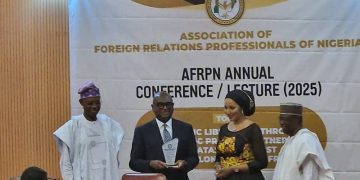
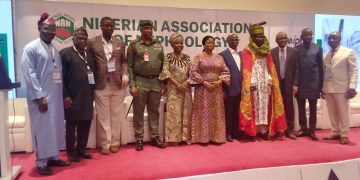
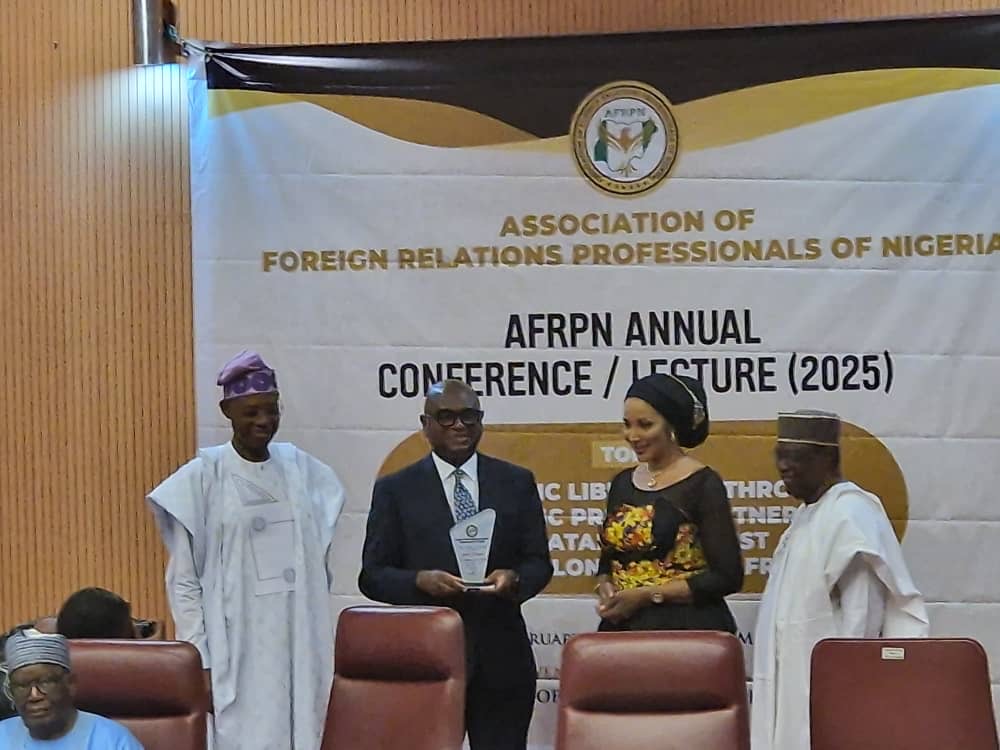
Speaking at the 2025 Annual Lecture of the Association of Foreign Relations Practitioners of Nigeria (AFRPN) in Abuja, he emphasized that true economic independence requires collaboration between governments and the private sector.
Moghalu, President of the African School of Governance, argued that while Africa gained political independence decades ago, its economies remain tied to foreign interests due to heavy reliance on raw material exports.
He urged African nations to prioritize industrialization and value addition, citing examples from China, Japan, and South Korea, where market-driven growth is balanced with strategic government intervention.
Addressing Africa’s infrastructure deficit, he noted that the African Development Bank estimates the continent needs up to $170 billion annually for infrastructure development but faces a financing gap of nearly $100 billion.
He expressed the believe that PPPs can bridge this gap, pointing to successful projects like Nigeria’s Murtala Mohammed Airport Terminal 2 as models for sustainable development.
Despite the benefits of PPPs, Moghalu acknowledged existing challenges such as weak regulatory frameworks, corruption, and knowledge gaps among policymakers.
To tackle these issues, he highlighted the role of the African School of Governance in training leaders on effective PPP implementation and governance strategies.
Moghalu concluded with a call to action, urging African leaders to embrace innovation, self-reliance, and strategic partnerships. He stressed that Africa’s future depends on shifting from dependency to a model of economic self-sufficiency driven by collaborative growth.
The AFRPN, President, Ambassador Gani Lawal, reiterated its commitment to strengthening Nigeria’s foreign policy through dialogue, training, and mentorship.
Lawal emphasized the importance of sound economic policies and diplomacy, especially in light of Nigeria’s 26-year democratic journey.
The conference theme, Economic Emancipation through Public-Private Partnership: A Catalyst Against Neocolonialism in Africa, underscored pressing international economic concerns.