
































By Admin.
Environmental Civil Society Organization, Green Climate Africa GCA has emphasized the need for a collective action to localize Global Climate Policies in ways that directly benefit the Nigerian Communities for socio economic growth and development.
The Organization posited also that global policies and agreements should not be seen only on paper, but be implemented to support the most vulnerable communities who bear the brunt of climate change, but have little or no resources to adapt to its impact.
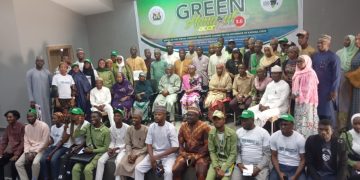
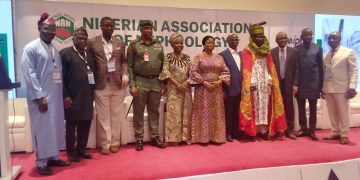
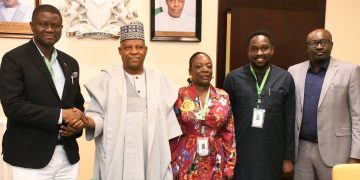
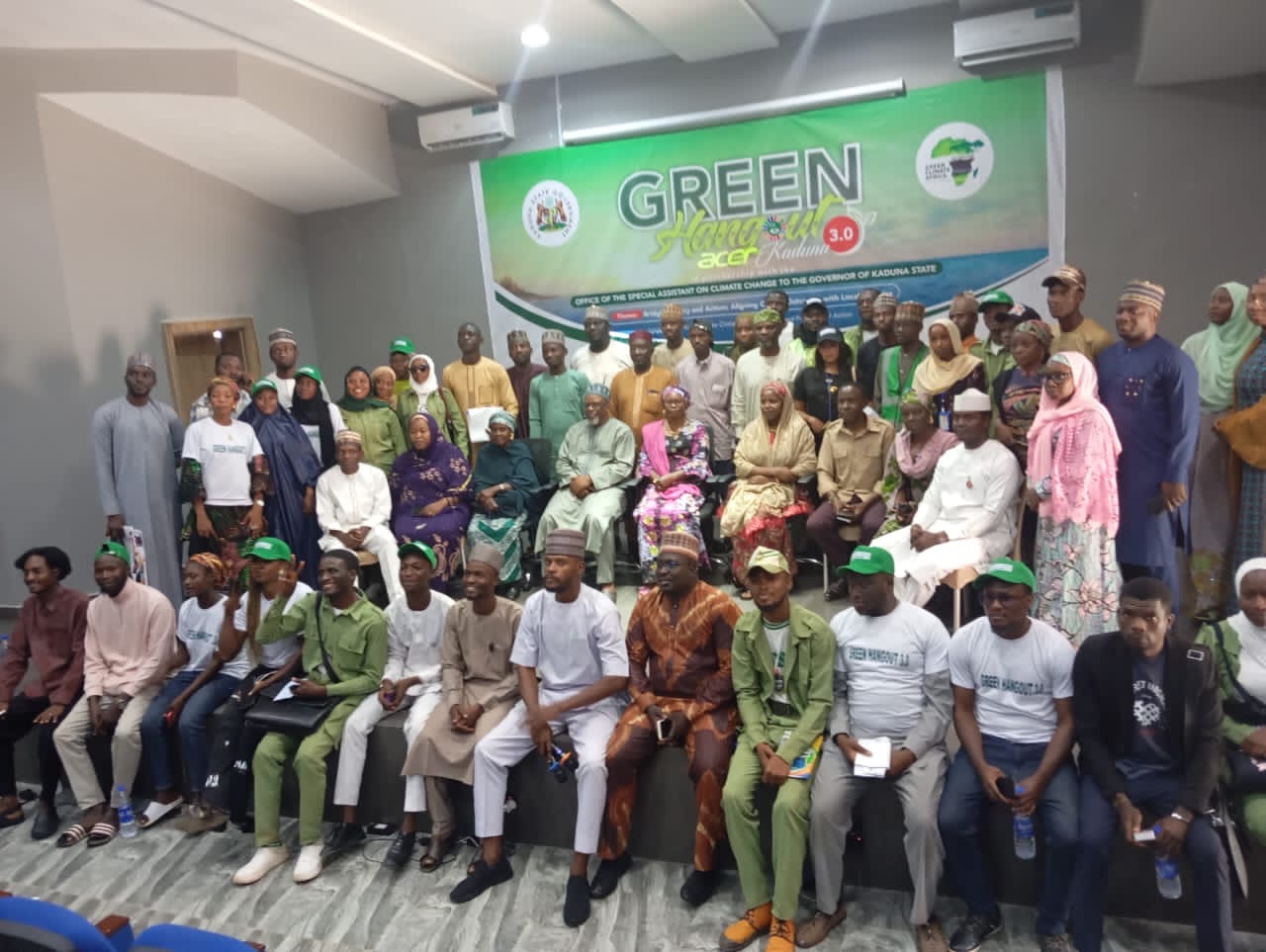
This Formed part of discussion during the third edition of the Green Hangout organized by Green Climate Africa in collaboration with the Kaduna State Government, themed “bridging policy and action: aligning COP29 outcomes with local realities, in Kaduna.
The Acting Director General of GCA, Abdullahi Abubakar Ladan said the annual event provided a platform for participants cut across different walks of life to actively engaged, share insight and propose solutions that would help shape Kaduna State Climate Change agenda and beyond.
The Acting DG pointed further that, the green hangout followed the need to ensure that policies drafted on global summit at the just concluded Conference of Parties-COP29 do not remain just on paper, but are translated into actions that drive resilience and environmental sustainability in the Nigerian communities.
He explained that, to achieve the global goals on climate adaptation effort, there’s a need for a robust commitment toward funding opportunities, technology transfers, and public private partnership including community driven interventions and gender responsiveness.
Mr. Ladan stated that Climate Change is not just a distant threat, but an issue that is already here, and affects every aspect of human life ranging from Food Security to Public Health, Economic Stability and National Security, hence the need for a collective action across all sectors including Civil Society, the Private Sectors, and Local Communities.
“Deforestation, environmental degradation and desert encroachment have contributed to worsening security conditions in kaduna state and Nigeria at large,
“The challenges doesn’t only harm the environment, but also increases competition between farmers and herders over scarce land resources, leading to conflicts and displacement,
“The connection between climate change and insecurity remain one of the most pressing challenges in Kaduna State and the country at large that can only be addressed through the multi sectoral approach,” he said.
On his part, the Special Assistant to Governor Uba Sani of Kaduna state on Climate Change, Yusuf Idris amoke said the state Climate Change Policy is a road map toward achieving low carbon emission, and enhance ambition that demands everyone’s efforts in the state.
According to him, Kaduna State has transited to Renewable Energy where its street lights are being powered exclusively by solar, in addition to the training of five hundred women on bricket production which is an alternative source of energy, with emphasis that people Should embrace the use of energy saving stoves that can be done locally.
In a goodwill message, the Executive Vice Chairman of Kaduna Peace Commission, Barr. Rebecca Sako who described Climate Change as one of the triggers of conflicts and insecurity, expressed commitment to strengthen partnership with the organization toward exploring avenues to tackle the menace for a more peaceful and harmonious Kaduna State.
Representative of the ICPC, Bashir Amin from the public enlightenment and education unit said with the glaring effects of Climate Change in the global community from the devastating flood in Maiduguri, to the wildest fire in los Angeles including farmers- herders clashes and insecurity in Nigeria is evident that the menace is already here.
He pledged the determination of ICPC to collaborate with the state to promote policies and programs that will reduce green house effects in any ways possible toward preserving the environment for sustainability.
The Special Assistant to the Kogi state on Climate Change, Mr. Micheal Ajibade described the program as timely that offers opportunity for people get more clearer information and add to their existing knowledge regarding the global perception of Climate Change and the way forward.