







































By Jummai Gambo
The Deputy Speaker House of Representatives, Mr. Benjamin Kalu, says the decision to abolish the practice of death penalty ultimately lies with the Nigerians citizens.
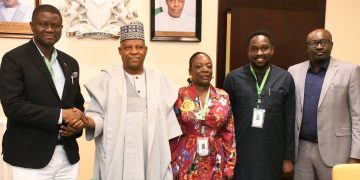
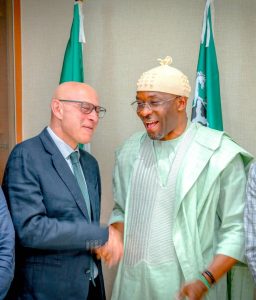
Kalu stated this when he hosted a delegation from the Death Penalty Project, led by officials from the British High Commission, in his office in Abuja,
The Deputy Speaker emphasized the need for robust debate, collaboration, and engagement among stakeholders, following the diverse opinions on the matter.
Mr. Kalu noted that over one hundred and thirty countries around the world have abolished death penalty either in law or practice.
He said that overtime, laws in the country have taken into cognizance the temperature of the environment, adding that the current legal framework allows for capital punishment for offenses such as murder, armed robbery, and treason.
The Deputy Speaker who made reference to current statistics of death row inmates in the country and all over the world, said the figure underscores the pressing need for reform in the criminal justice system.
He said the 10th Assembly is considering presenting a bill before the parliament for debate to know whether or not the Nigerian society needs dealth Penalty at the moment.
“This will pass through various stages of public hearing to allow the public make contribution on this subject matter.
“We are positive that our willingness to engage further on this discussion will send a clear message that we are committed to upholding human rights and ensuring that our criminal justice system reflects fairness and proportionality” he stressed.
Mr. Kalu, however noted that as further discussions are held, the goal is not to diminish the seriousness of capital offenses but to create a justice system that is equitable, effective, and respectful of human rights.
Earlier, the leader of the Delegation, Co-founder and Co-Executive Director of the Death Penalty Project, Saul LeurFeund, explained that the visit is to seek the parliament’s collaboration on potential abolishment of death penalty in Nigeria.
He said it will be helpful to bring partners together to discuss potential abolishment, to see if it can change discussion around death penalty.