





























By Peter Adelowo
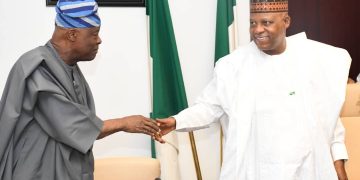
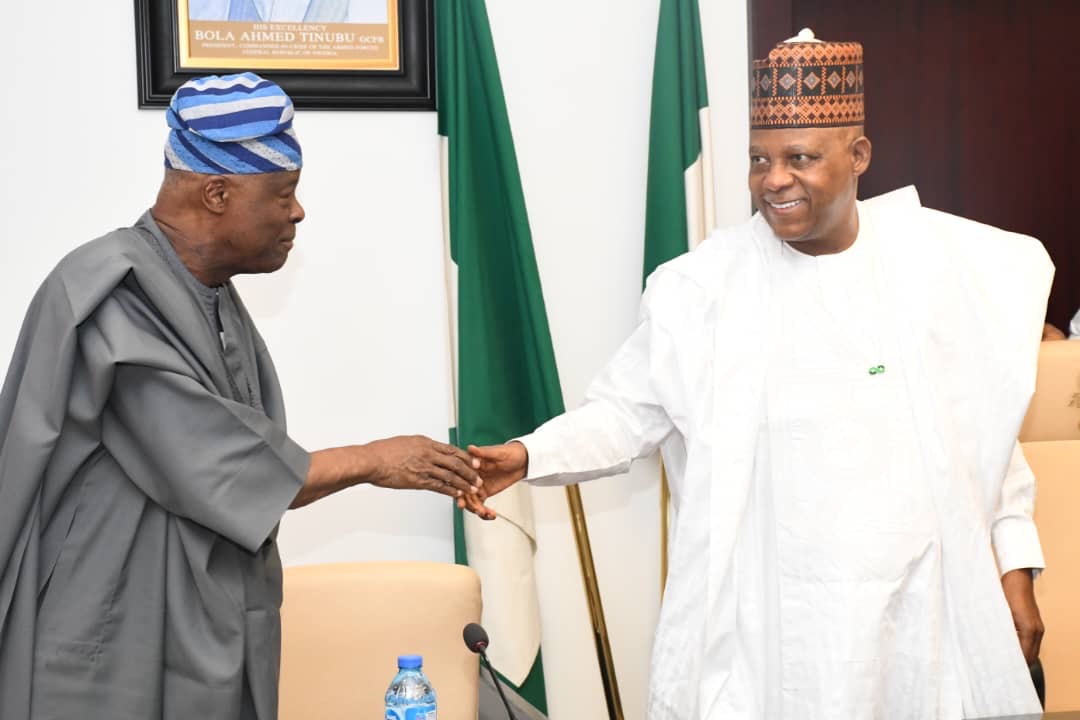
The Vice President, Senator Kashim Shettima, has called on state governors to deepen implementation of Human Capital Development (HCD) programmes in their respective states.
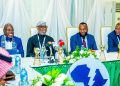
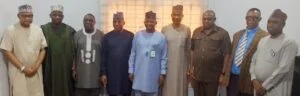
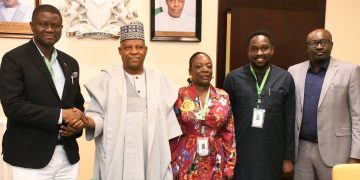
Shettima made the call during a meeting of the Steering Committee of the Human Capital Development Programme at the Presidential Villa in Abuja.
A statement signed by the Senior Special Assistant to the President on Media and Communication, Office of the Vice President, Stanley Nkwocha, outlines the significant strides made by the HCD Steering Committee to include its expansion to accommodate key cross-cutting sectors, noting that this has strengthened the governance structure.
The statement observes that the path chosen by Nigeria in the 21st century can only be determined by the strength of the nation’s workforce, the education of its children, and the well-being of communities across the country.
It maintains that Nigeria will achieve greater success if it depends more on the quality of its human capital than its natural resources or industrial might.
The statement acknowledges the impactful state-level interventions, outlining them to include “the rollout of Project Fuuku in Nasarawa State, distributing over one thousand clean cookstoves to vulnerable households, demonstrating the intersection of human capital development and environmental sustainability.
According to the statement on his part, the Minister of Finance and Coordinating Minister for the Economy, Mr Wale Edun advises that folliwing the world focus on Africa because of its growing young population, more attention should be given to the educated, skilled and healthy population.
The statement adds that in her contribution, the Country Representative of the United Nations Development Programme, UNDP, Ms. Elsie Attafuah, commends the federal government for promoting human capital development.
It highlights a number of projects including the Nigeria Jubilee Fellows Programme, NJFP and the three Million Technical Talent, 3MTT, programme, noting that Nigeria’s development pathway does not rest on natural resources but on human resources.