



































By Peter Adelowo
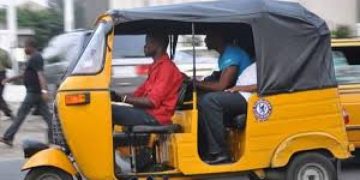
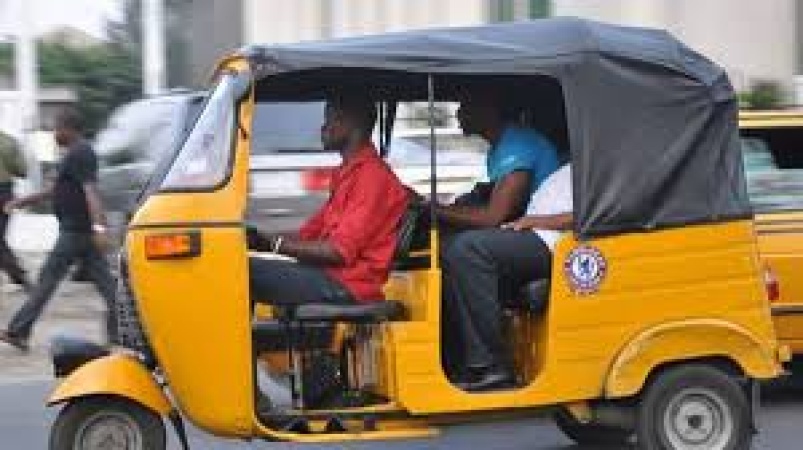
Economic hardship and the rising cost of living have forced many private car owners, including civil servants in the Federal Capital Territory, to turn their vehicles into commercial transport services in a bid to survive.
Some residents who spoke with the News Agency of Nigeria in Abuja said the practice, popularly known as “Kabu Kabu,” has become increasingly visible on major routes within the city.
They explained that the move is a coping strategy aimed at augmenting income, buying fuel, and meeting daily household expenses.
A civil servant, Ibrahim Musa, said he now conveys passengers along the Kubwa–Wuse axis after work hours to cushion the impact of inflation.
He said his salary can no longer meet the basic needs of his family, adding that the extra income helps him buy fuel and support his household.
Another civil servant, Sadiq Lawal, said many of his colleagues have quietly adopted the practice as a means of survival.
According to him, transport fares and fuel prices have become too high, forcing workers to explore alternative sources of income.
Mrs. Erica Ekah, also a civil servant, said the practice has helped her solve the challenge of buying fuel for daily commuting.
She said although she was initially afraid of carrying passengers due to security concerns, she has now identified safe routes where she can pick passengers 7without challenges.
Similarly, a private sector worker, Blessing Okorie, said she conveys passengers during peak hours to cope with the rising cost of living.
She said the income helps her buy fuel and support her children, noting that without the extra earnings, her car would remain parked most days.
Passengers, on their part, said the development has provided some relief amid high transport fares.
Hadiza Ahmed, a trader who commutes daily from Nyanya to Area One, said she prefers boarding private cars because they are sometimes cheaper and more comfortable than taxis.
However, some residents have raised safety and regulatory concerns.
Emmanuel Aper, a resident of Gwarimpa, said while the practice is understandable, government needs to regulate it to ensure public safety.
A transport analyst, Kabir Abdullahi, said the trend reflects growing economic pressure and gaps in the public transport system.
He noted that when private car owners turn to informal transport services, it is a clear sign that incomes are under strain and mass transit is inadequate.
He called on the government to improve urban transport infrastructure and provide targeted economic relief measures.
As the cost of living continues to rise, residents say the growing use of private vehicles for income generation underscores the urgent need for government intervention.