






































The Minister of Steel Development, Prince Shuaibu Abubakar Audu, says the Federal Government has intensified efforts to regulate Nigeria’s scrap metal industry to curb infrastructure vandalism, promote responsible recycling and strengthen the steel manufacturing sector.
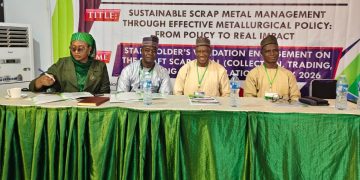
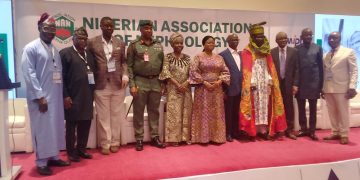
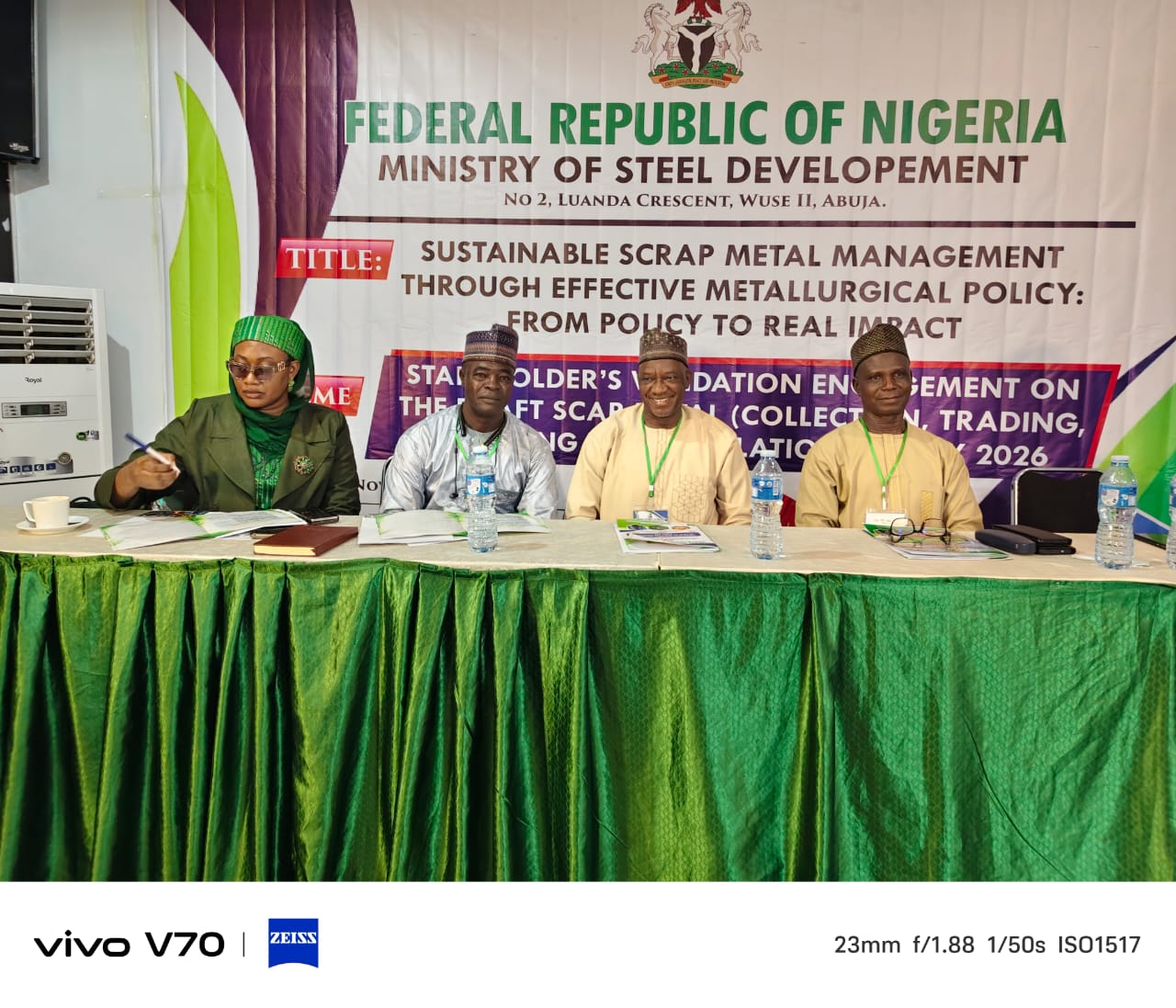
This is contained in a statement signed by the Head of Press and Public Relations, in the Ministry Tine-Iulun M.A., following the second-phase stakeholders’ engagement on the Draft Scrap Metal, Collection, Trading, Recycling and Regulation, Regulations Policy 2026, in Kano.
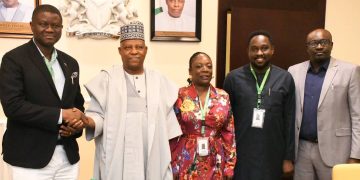
The Minister, represented by the Director of Steel and Non-ferrous Metals Department, Alhaji Umar Tsoho, says the proposed regulations would establish a more organised and transparent scrap metal industry.
Speaking on the theme, “Sustainable Scrap Metal Management through Effective Metallurgical Regulation: From Policy to Real Impact,” Audu describs scrap metal as an important resource for steel production, industrial growth, job creation and the development of a circular economy.
He says Nigeria needed a properly organised scrap metal value chain where materials are legally sourced, safely handled, documented and supplied to legitimate industries.
Audu explains that poor regulation could encourage infrastructure theft, unsafe dismantling, environmental pollution and economic losses, while the proposed framework would strengthen licensing, monitoring, traceability and enforcement.
He stresses that the policy was not intended to frustrate legitimate businesses or deprive scrap metal collectors and traders of their livelihoods, but to create an orderly environment where lawful operators could thrive.
The Minister also calls for regulations that would accommodate small-scale operators through practical registration requirements, while ensuring that large collection, processing and recycling facilities meet appropriate safety and environmental standards.
He expresses concern over the theft of electrical cables, railway components, manhole covers and other metallic installations, noting that such activities disrupt public services, threaten safety and increase government maintenance costs.
Audu recalls that the first phase of the stakeholders’ engagement was held in Lagos from November 9 to 10, 2026, where participants made recommendations on licensing, classification of operators, traceability, environmental protection, occupational safety and enforcement.
He says the Kano engagement was designed to widen consultations and incorporate the experiences of stakeholders in the Northern region.
He assures participants that contributions from both engagements would be reviewed and harmonised to improve the proposed regulations.
Acording to the statement, in his remarks, the Permanent Secretary of the Ministry, Ambassador Nura Abba Rimi, represented by the Director of Metallurgical Inspectorate and Environmental Protection Department, Mr Christopher Wanje, says the consultations were important in developing a practical and legally sound regulatory framework.
He urges stakeholders to make useful recommendations on licensing, operational standards, security, environmental protection and collaboration among relevant agencies, assuring them that their contributions would be considered in the final review.
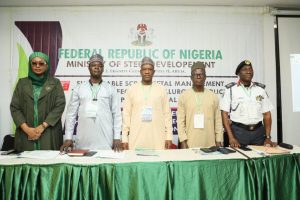
According to the statement, earlier, the Acting Executive Secretary of the National Steel Council, Mr Aminu Shehu, represented by Dr Nana Firdausi Muhammad, reaffirms the Council’s support for the proposed policy, describing it as an important step towards industrial growth, economic development and employment generation.
Also speaking, the Kano State Commandant of the Nigeria Security and Civil Defence Corps, Mohammed Hassan Agalama, representing the Commandant General, Professor Ahmed Abubakar Audi, pledges the Corps’ support for the initiative stressing that effective regulation will help protect critical national assets, including electrical installations, pipelines, railway facilities and other government infrastructure.