



































The Federal Government has called for stronger collective action to protect Nigeria’s rivers from pollution, deforestation, indiscriminate waste disposal, untreated wastewater and other activities threatening the nation’s water resources.
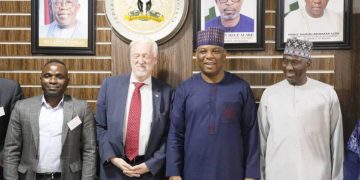
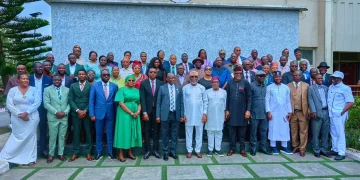
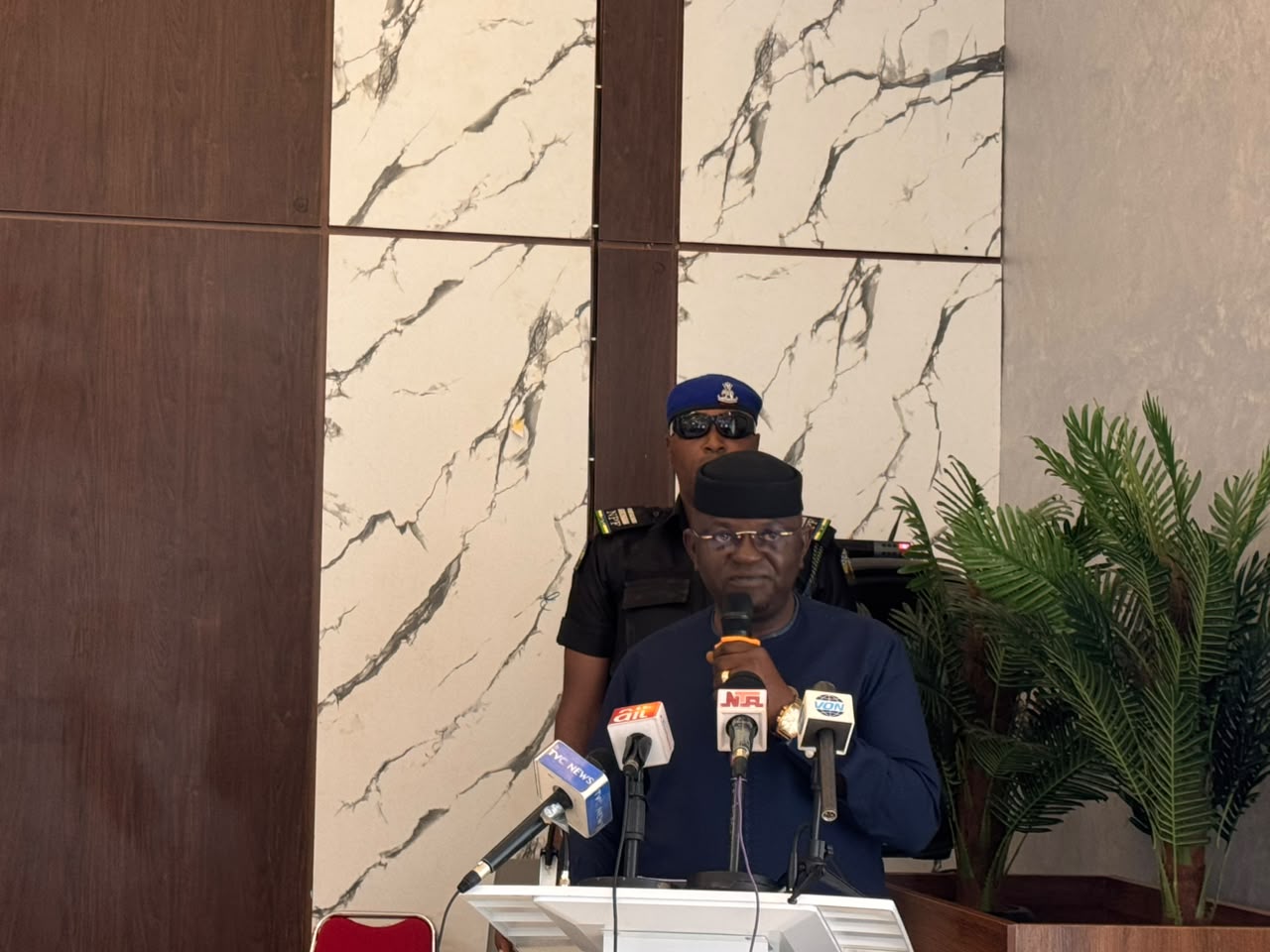
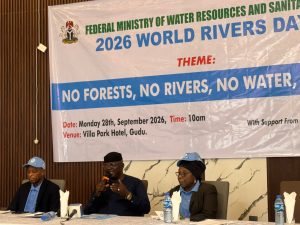
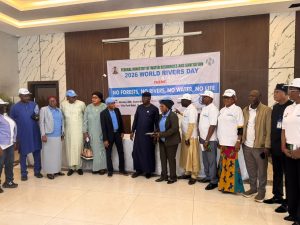
The Minister of Water Resources and Sanitation, Prof. Joseph Utsev, made the call in Abuja at the 2026 World Rivers Day celebration, held under the theme: “No Forests, No Rivers, No Water, No Life.”
Professor Utsev said Nigeria’s rivers are critical to food security, public health, agriculture, industry, fisheries, biodiversity, livelihoods and national development, stressing that their protection must be treated as a shared responsibility.
He noted that rivers are increasingly under pressure from population growth, urbanisation, untreated wastewater, indiscriminate dumping of solid waste, agricultural runoff, erosion, sand mining and the effects of climate change, including changing rainfall patterns, flooding and drought.
The Minister said the Ministry was strengthening Integrated Water Resources Management to protect and restore watersheds and river catchments, while improving the collection and use of data on rainfall, river flows, groundwater and water quality.
He stressed that activities in one location could have consequences for communities downstream, making collaboration among the Federal, State and Local Governments, traditional institutions, communities, the private sector, development partners and civil society essential to sustainable river management.
Professor Utsev also linked river protection directly to sanitation, warning that untreated sewage and wastewater entering rivers could threaten public health, livelihoods and water supplies.
He stated that 179 Local Government Areas have so far been validated as Open Defecation Free, while more than 5,238 public sanitation facilities have been supported nationwide through the Federal Government’s Clean Nigeria Campaign.
The Minister said the development represents progress towards the safely managed sanitation and hygiene targets under SDG 6.2, urging the media to intensify public awareness on sanitation and responsible environmental practices.
He called on Nigerians to stop open defecation, indiscriminate dumping of refuse, plastics and effluents into waterways, while urging communities to protect forests, wetlands and river catchment areas that sustain the nation’s water sources.
The Minister particularly challenged Nigerian youths to become “vanguards of river and water protection”, using education, technology, entrepreneurship and community action to tackle plastic pollution, improve wastewater management and restore degraded ecosystems.
At the event, the Permanent Secretary of the Ministry, Ali Dallah, said healthy rivers depend on healthy forests and watersheds, which help regulate water flow, reduce erosion, protect water quality and support groundwater recharge.
He said the choice of Wupa River along Kuje Road, Abuja, as the venue for the celebration was deliberate, providing an opportunity to demonstrate the need for practical action towards protecting and restoring degraded water bodies and their surrounding ecosystems.
The Director of Rivers Basin Operations and Inspectorate in the Ministry, Mrs Stella Oduh, also called for sustained protection of Nigeria’s forests and river systems, noting that their conservation was essential to securing water, public health and sanitation for future generations.
She urged young Nigerians to become champions of environmental stewardship, stressing that the quality and availability of water inherited by future generations would depend largely on the rivers and ecosystems protected today.