































The Federal Government has urged state and local governments, as well as ministries, departments and agencies, to make adequate budgetary provisions for sanitation as part of efforts to achieve an Open Defecation Free Nigeria by 2030.
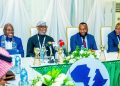
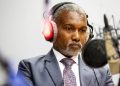
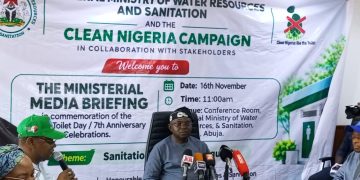
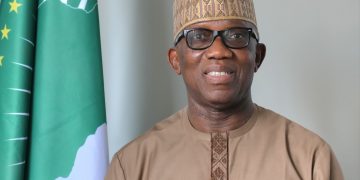
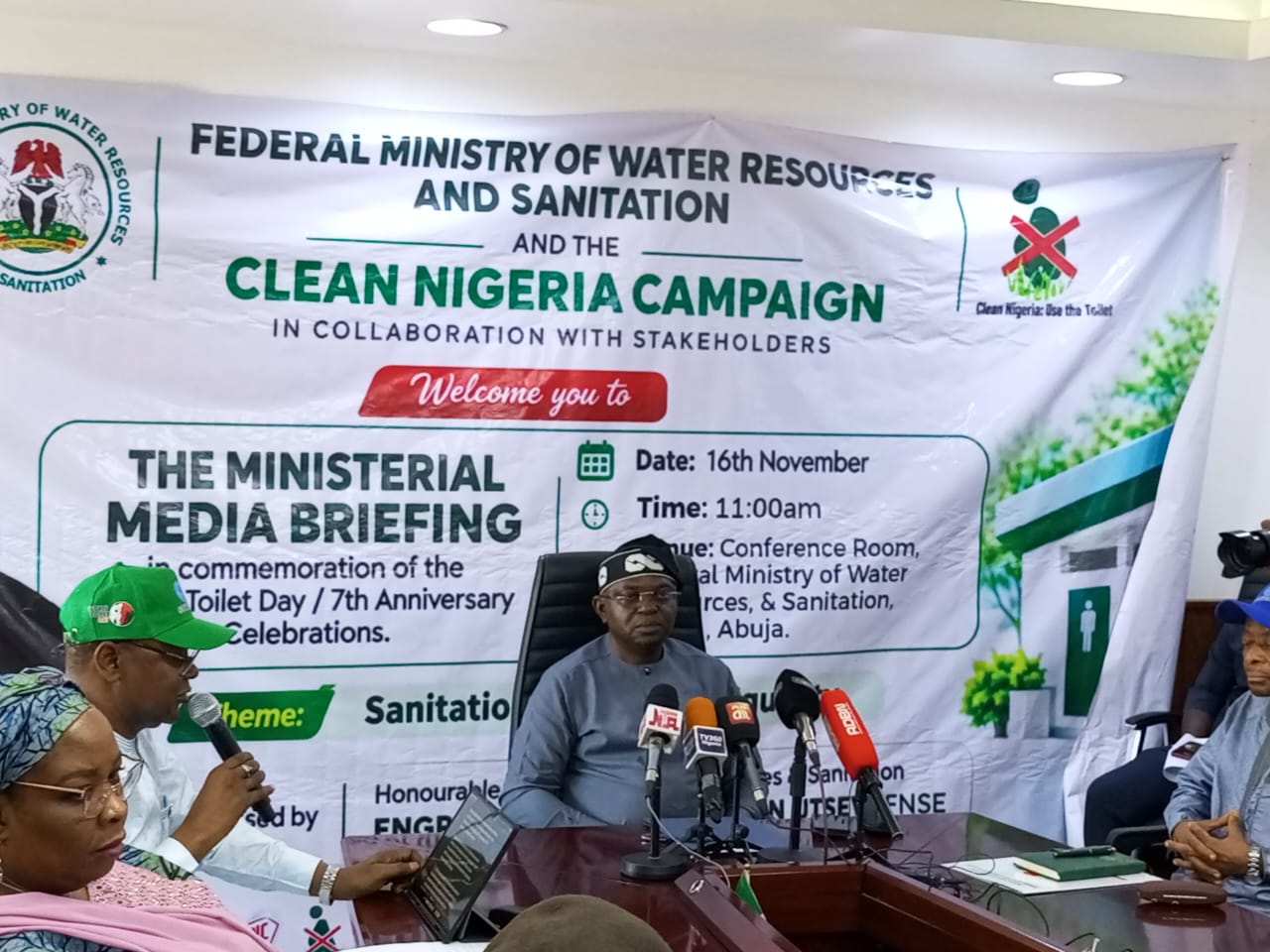
Minister of Water Resources and Sanitation, Professor Joseph Utsev, made the call during a news conference ahead of the 2026 World Toilet Day celebration and the seventh anniversary of the Clean Nigeria: Use the Toilet Campaign, in Abuja.
Professor Utsev said the Federal Government was strengthening engagement with state governments, including plans to convene governors to secure greater commitment towards ending open defecation across the country.
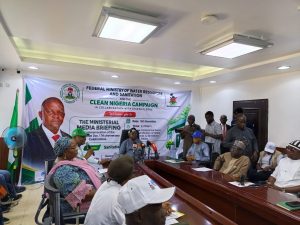
He explained that state and local governments were critical to the success of the campaign because of their responsibilities for the welfare of citizens and control of land and local development.
The Minister stated that the government was also encouraging ministries, departments and agencies to create specific budgetary provisions for sanitation to support campaign activities and the provision of essential facilities, including toilets and handwashing equipment.
He said the strategy was aimed at reducing dependence on development partners and ensuring sustainable funding for the campaign.
Professor Utsev noted that Nigeria had recorded 185 Open Defecation Free local government areas out of 774, while Jigawa and Katsina States had attained statewide ODF status.
He, however, stressed the need to accelerate efforts in the remaining local government areas and sustain existing achievements to prevent communities from returning to open defecation.
The Minister described the recent signing of the Executive Order on Open Defecation Free Nigeria by 2030 and other related matters, 2025, by President Bola Ahmed Tinubu as an important step towards strengthening coordination, defining responsibilities and ensuring accountability across all levels of government.
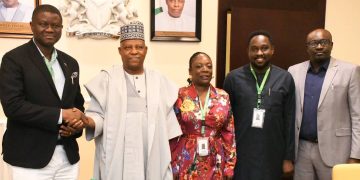
He announced that the Executive Order would be formally unveiled by Vice President Kashim Shettima during the World Toilet Day celebration on November 19, 2026.
According to him, the Ministry’s priorities towards the 2030 target include sustainable financing, reliable data and monitoring, as well as institutional strengthening and sustainability.
He called on traditional and religious leaders, development partners, the private sector, civil society organisations and community leaders to support the campaign, stressing that ending open defecation required collective responsibility.
The Minister also urged Nigerians to embrace regular toilet use and discourage open defecation in all its forms.
Earlier, the Permanent Secretary of the Ministry, Mr Ali Dallah, called on stakeholders to strengthen partnerships and translate their commitments into measurable results.
He described ending open defecation as more than a sanitation objective, noting that it was fundamental to promoting human dignity and environmental sustainability.
Mr Dallah also acknowledged the contributions of media practitioners, saying their roles in public education, investigative reporting, advocacy and sustained engagement were essential to changing public attitudes and promoting improved sanitation practices.
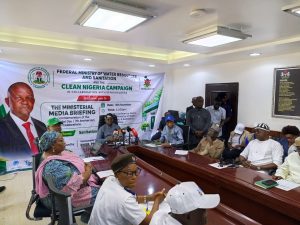
The 2026 National Retreat of the Clean Nigeria Campaign is scheduled for November 17 and 18 under the theme, “Accelerating and Sustaining Progress: Financing, Data and Systems for a Fully ODF Nigeria.”
The retreat will bring together federal and state government representatives, development partners and other sanitation stakeholders to review progress and develop strategies for achieving nationwide ODF status.
The World Toilet Day celebration and seventh anniversary of the Clean Nigeria Campaign will hold on November 19, 2026, under the theme, “Sanitation and Gender Equality.”