










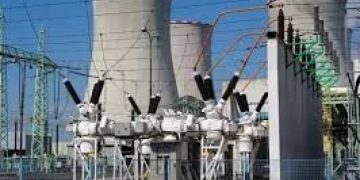























The federal government has unveiled plans to revamp the Steel industry
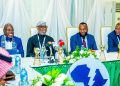
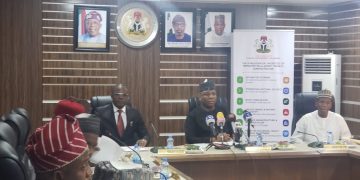
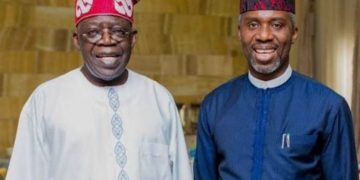
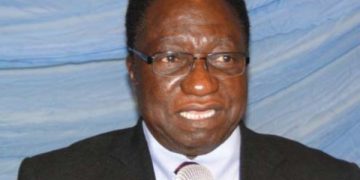
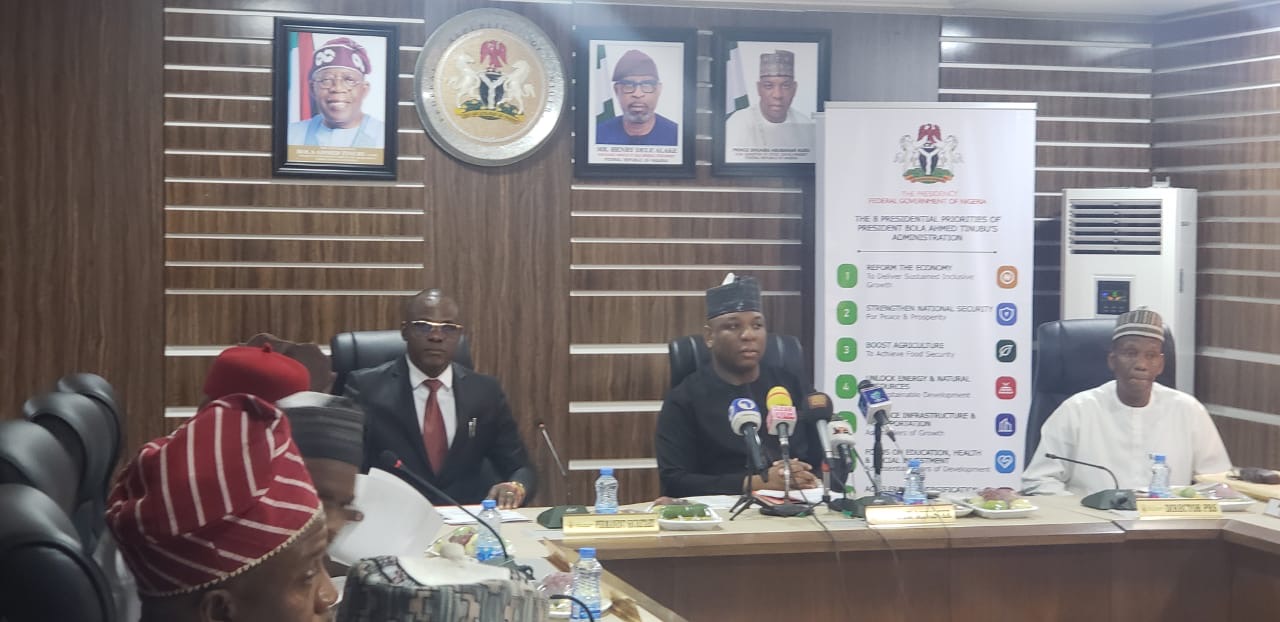
The Minister of Steel Development, Prince Shuaib Audu who stated this when he hosted development partners and international donor agencies in his office in Abuja, described the steel industry as the backbone of Nigeria’s industrialization.
He stressed the need to reposition the sector to reduce import dependence, boost local production, and attract foreign investment.
“Steel is a pillar of Nigeria’s industrial growth, urban development, and economic diversification under the Renewed Hope Agenda of President Bola Ahmed Tinubu. Our goal is to transform Nigeria’s steel sector into a globally competitive industry that fuels economic growth,” Audu stated.
According to the Minister, the government’s revitalization plan prioritizes the rehabilitation and privatization of major steel assets, particularly the Ajaokuta Steel Company Limited (ASCL) and the National Iron Ore Mining Company (NIOMCO), which would enhance local production and reduce reliance on steel imports”.
“Our objective is to upgrade these institutions, ensuring they become robust engines of local production. This will generate valuable foreign exchange and create sustainable jobs,” the Minister said.
“To ensure a steady supply of raw materials, the government is establishing Metallurgical Scrap Collation Centres across Nigeria’s six geopolitical zones and modernizing the Metallurgical Training Institute in Onitsha with augmented reality solutions and simulation technology”.
“The government is also preparing a workforce for a technologically driven steel industry that will ensure Nigeria remains competitive in the global market.”
“In addition, policy and regulatory reforms are underway, including the Metallurgical Industry Bill, which aims to create a legal framework to support investment, improve compliance, and ensure financial accountability in the sector”.
He pledged commitment in instilling investor confidence by enhancing operational safety and regulatory oversight.
Recognizing the capital-intensive nature of steel development, Audu urged international partners to support Nigeria’s vision through Financial investments in steel infrastructure, Technical expertise and capacity development; and support for regulatory and trade reforms”.
He called on international development partners and donor agencies to support efforts aimed at industrial growth, economic diversification, and job creation.
“Your partnership is essential for bridging the gap between our vision and practical implementation. Together, we can build a legacy of sustainable development, job creation, and industrial innovation, he appealed.”
The Minister also stressed that government is working tirelessly to boost Nigeria’s presence in the global steel market.
“The government is also working on bilateral trade agreements and a new national communication strategy to position the country as a prime destination for steel investments and exports”.
“By creating avenues for trade and investment, we are laying the groundwork for a vibrant market that meets local needs while expanding Nigeria’s footprint in the global steel industry “.
Prince Audu reaffirmed government’s commitment to self-reliance and industrial innovation, describing the 2025 capital budget as a blueprint for transforming Nigeria into a global steel powerhouse.
“This is an industrial renaissance for Nigeria. By working together, we will create a thriving steel industry that not only fuels Nigeria’s economy but also secures a prosperous future for all” he concluded.
He explained that with these ambitious reforms and international collaborations, Nigeria is poised to become a major player in Africa’s steel industry, unlocking new opportunities for economic expansion, industrialization, and job creation.
The Donor Partners explained that the Steel industry has opportunities for job creation, infrastructural development, which are some of the things Nigeria will benefit.
Georgina Humphrey, Edited By Grace Namiji