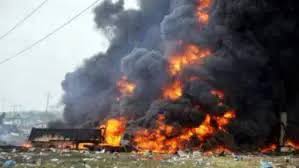












































Widespread panic and destruction gripped Maiduguri on Monday evening after a series of suicide bomb blasts struck busy civilian areas during the Muslim breaking of fast, in what security officials have described as a coordinated terrorist assault.
The explosions, which occurred at about 7:05 p.m., targeted three densely populated locations within the Maiduguri Metropolitan Council (MMC): the Post Office area, the Monday Market axis, and the entrance of the University of Maiduguri Teaching Hospital (UMTH).
In a statement issued by Lieutenant Colonel Sani Uba, the attacks were attributed to suspected Boko Haram insurgents, who reportedly deployed suicide bombers carrying improvised explosive devices to detonate in crowded Iftar gatherings.
Early findings suggest the assailants deliberately selected locations with high civilian traffic to maximise casualties and spread fear across the city.
Eyewitnesses recounted scenes of confusion and horror as explosions tore through the bustling Monday Market—one of the city’s busiest commercial centres—while near-simultaneous blasts hit the Post Office vicinity and the hospital entrance, both typically crowded at that time of day.
Security sources indicated that multiple bombers may have been involved, pointing to a well-coordinated operation and raising concerns about an extensive support network behind the attack.
Troops under Operation HADIN KAI, in collaboration with the Nigeria Police Explosive Ordnance Disposal (EOD) unit and other security agencies, responded swiftly to the incidents.
The affected locations were immediately sealed off, while bomb disposal teams commenced thorough sweeps to detect and defuse any additional explosive devices.
Emergency responders, including officials from the National Emergency Management Agency (NEMA), quickly evacuated victims from the blast sites.
The injured were taken to several medical facilities, including the General Hospital Maiduguri, Specialist Hospital, and the University of Maiduguri Teaching Hospital (UMTH), where medical personnel are currently providing treatment as rescue efforts continue.
In the aftermath of the attacks, security operatives have heightened surveillance, intensified patrols, and expanded counter-IED measures across Maiduguri in a bid to apprehend suspected collaborators and prevent further violence.
Lt. Colonel Uba cautioned that the perpetrators may have infiltrated the city ahead of the attacks, warning of potential additional threats.
Residents have been urged to remain calm yet vigilant, avoid crowded locations where possible, and promptly report any suspicious persons or objects to security agencies.
The military extended its condolences to the families of those who lost their lives and reaffirmed its resolve to bring those responsible to justice.
The incident highlights the persistent security challenges in Nigeria’s North-East, where insurgent groups continue to target civilians despite ongoing counter-insurgency operations.
For many residents, Monday’s tragedy serves as a stark reminder that although progress has been made, the threat of asymmetric warfare—particularly suicide bombings—remains a significant concern.
Authorities confirmed that investigations are ongoing, with intensified efforts underway to dismantle the network behind what is being treated as a coordinated urban terror attack.