








































The Obidient Movement says Nigerians will pay half the reference price of petrol under a proposed subsidy policy by Peter Obi if elected president in 2027.
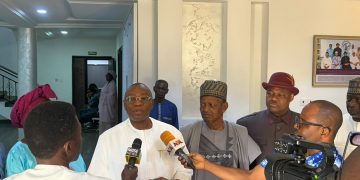
In a statement issued on Friday, the movement’s Media and Communications Directorate, Onyeka Dike, outlined the proposed policy, which it said would make petrol more affordable and ensure proper management of public funds.
The movement said the plan would introduce a transparent system in which subsidy payments would be monitored to prevent fraud and ensure that Nigerians benefit directly.
It also questioned the Federal Government’s 30-day petrol discount at Nigerian National Petroleum Company Limited (NNPC) filling stations, saying the country needed a lasting solution to high petrol prices.
The movement raised concerns about the difference between petrol consumption figures previously announced by President Bola Tinubu and the approximately 50 million litres per day cited by the Minister of Finance and Coordinating Minister of the Economy, Mr Taiwo Oyedele.
It called on the Federal Government to publish the data used to calculate daily petrol consumption and allow independent experts to verify the figures.
According to the movement, the previous fuel subsidy system faced challenges, including disputed consumption figures and difficulties in verifying payments, making transparency essential in any new arrangement.
Under Obi’s proposed policy, the movement said an independent panel would determine a reference price for petrol every week using international market prices, transportation costs and verified local expenses.
It added that subsidy payments would be based on actual petrol sales verified through filling station pumps, with digital tracking used to monitor the product from refineries to retail outlets.
The movement also proposed that all licensed Nigerian refineries should have fair access to the scheme and crude oil for local refining, with clear rules to encourage competition.
It said the proposed system would require legislative approval and monthly public reports detailing petrol prices, quantities sold, subsidy payments, beneficiaries, penalties, recovered funds and independent audit findings.
The movement further proposed reviewing energy security contracts, reducing production costs, improving pipeline protection through partnerships with host communities and ensuring fair access to crude oil for local refineries.
It maintained that the proposed policy would provide a more transparent approach to making petrol affordable, adding that public funds must be properly accounted for and the benefits must reach Nigerians.