







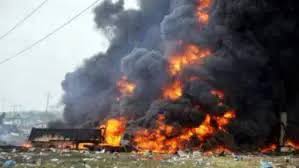



































Global oil prices surged on Tuesday, with Brent crude climbing above $84 per barrel and West Texas Intermediate (WTI) trading at $76.93, as rising tensions in the Middle East raised concerns over potential disruptions to global supply.
The spike followed comments from U.S.
President Donald Trump indicating that the ongoing military campaign in Iran, dubbed “Epic Fury,” could extend beyond the initially projected four to five weeks.
Investor anxiety intensified after Iran announced the closure of the strategic Strait of Hormuz, a key maritime corridor through which roughly 20 per cent of global oil trade passes.
Although the United States Central Command disputed Iran’s claims, tanker operators and traders have effectively curtailed activity in the strait, reflecting heightened perception of risk.
Analysts note that even temporary interruptions in this corridor could tighten global supply and put upward pressure on energy prices.
Market observers warn that sustained disruption could push crude prices to $100–$120 per barrel, with broader implications for global inflation, energy security, and economic stability.
Policymakers are urged to monitor the situation closely, explore alternative supply routes, and engage in diplomatic measures to mitigate prolonged supply shocks.