



































By Peter Adelowo
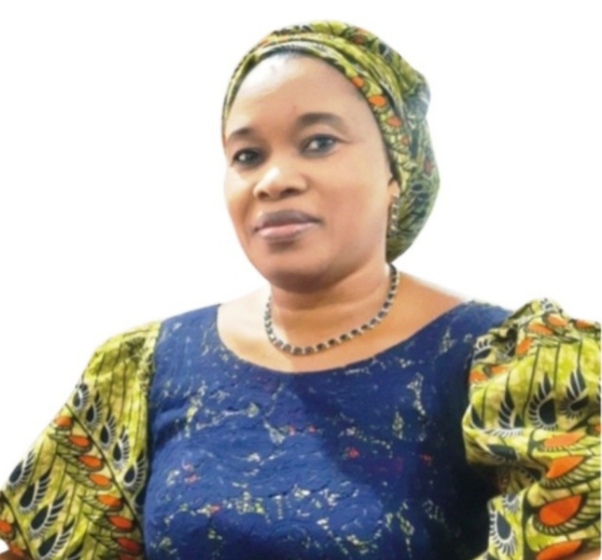
The National Labour and Civil Society Secretary, Rosemary Effiong, says the persistent disregard for the Nigerian Constitution by political office holders undermines the rule of law and democratic values.
This is contained in a statement signed by her to commemorate this year’s democracy day celebration in Abuja.
The statement explains that the rampant misconduct by public officials erodes trust and fuels impunity and institutions are being weakened under the guise of democracy, threatening national stability and progress.
“The election witnessed an unprecedented voter turnout, cutting across ethnic, religious, and regional lines. It marked a moment when Nigerians saw themselves as one people with a common goal — to elect a civilian president after years of military rule. In which I tag “Mass Political Participation:”
“As Nigeria marks another June 12, now celebrated as Democracy Day, we reflect not just on a date, but on a pivotal event in our national history — the June 12, 1993 presidential election. Widely regarded as Nigeria’s freest and fairest election, it was a turning point that revealed both the promises and the perils of democratic transition in a post-military state” she states.
“In 2025, over three decades later, it remains a powerful symbol of the people’s will and the long road toward democratic consolidation with enormous benefits.
The statement stresses that despite being annulled, the process itself was largely transparent and peaceful, making candidate, Chief Moshood Kashimawo Olawale, M.K.O. Abiola, to be seen as a unifying figure.
“His presumed victory proved that Nigerians could look beyond ethnic and religious divisions. “A Victory for Democratic Ideals” Effiong emphasizes.
The annulment of the election sparked a new wave of political consciousness. Civil society, student groups, and the media became more active in resisting authoritarianism, laying the foundation for the return to civilian rule in 1999.
It states that June 12 symbolizes not just democracy but the power of the people’s voice which serves as a reminder of the price of freedom and has become a national point of reflection, culminating in the recognition of June 12 as Democracy Day in 2018.
“The greatest tragedy of June 12 was its annulment by the then military government under General Ibrahim Babangida. It shattered public trust in the political system and exposed the fragility of Nigeria’s democratic institutions” she adds.
“The legacy of June 12 is forever tied to the courage and sacrifice of its heroes which Chief M.K.O Abiola stands for as the foremost symbol of that struggle — a man who laid down his life for democracy, refusing to renounce his mandate even in the face of imprisonment and death. But Abiola was not alone. His wife, Kudirat Abiola, became a fearless voice in the fight for justice until she was assassinated in 1996. Civil rights leaders like Chief Gani Fawehinmi, Dr. Beko Ransome-Kuti, and countless journalists, students, and activists risked everything to oppose tyranny”
“These individuals, known and unknown, laid the groundwork for Nigeria’s return to civilian rule. Their unwavering resistance in the face of oppression inspires a generation to uphold the democratic values they fought for. We remember them not just as victims of injustice, but as architects of a freer Nigeria. “MKO is the Hero of June 12 who stood for his mandate even to the expense of his life”
“The sacrifice of June 12 teaches us that democracy is not guaranteed; it must be defended through active civic engagement, transparency, and accountability at all levels of government. ‘If we must continue to enjoy democracy, then we must Guard Democracy Jealously”
The events of 1993 show that strong institutions — not strongmen — are the bedrock of democracy. We must continue to reform our electoral, judicial, and anti-corruption bodies to be truly independent and effective. “Strengthen Institutions, Not Individuals”
Abiola’s presumed victory was a result of a united electorate. In 2025, we must reject divisive politics and embrace leaders who promote inclusion, equity, and national unity. “Promote National Unity”
The memory of June 12 reminds us that elections must reflect the will of the people. Election malpractice, voter suppression, and political violence must be resisted in every form. “Uphold Electoral Integrity’
“The disregard for due process that led to the annulment of the election must never be repeated. A healthy democracy depends on the rule of law, respect for court judgments, and lawful political transition. ‘Respect for Rule of Law”
“June 12, 1993, stands as a bittersweet chapter in Nigeria’s democratic journey. While it brought hope and demonstrated our collective will, it also exposed vulnerabilities that continue to challenge our democratic evolution. As we celebrate Democracy Day in 2025, let us honor the sacrifices made by reaffirming our commitment to building a just, inclusive, and democratic Nigeria where the people’s voice remains supreme and the legacy of our heroes lives on” Effiong adds.
PR