



































By Admin
The Deputy Speaker House of Representatives, Mr. Benjamin Kalu says the removal of the fuel subsidy has yielded significant economic benefits for Nigeria, with the government saving $10 billion in 2023.
He also said that the move has led to a 22% increase in dollar remittances from the diaspora, totaling $28 billion in 2024.
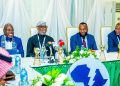
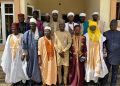
Mr. Kalu gave the highlights of the achievements by the President Bola Ahmed Tinubu APC led administration during a meeting with some investors and a group of scholars at Oxford University in London on the sideline of his ongoing UK-Nigeria Parliamentary Strategic Dialogue working visit to the United Kingdom.
The Deputy Speaker emphasized that the subsidy removal has enabled the government to redirect funds to critical sectors such as healthcare, education, and infrastructure.
He said that the economic gains from the subsidy removal have been complemented by other notable achievements, including a 3.19% increase in Nigeria’s GDP in second quarter of 2024.
He added that the government’s efforts to promote economic growth and development have also led to a significant increase in Foreign Direct Investment (FDI), with Nigeria attracting $6.4 billion in FDI in 2024.
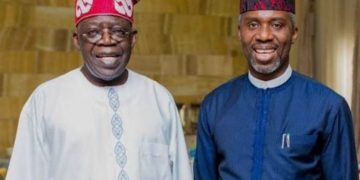
Deputy Speaker further noted that Tinubu’s administration has made significant strides in the areas of politics, security, economy and development which reflected the Legislative Agenda of the 10th House of Representatives.
On security, Mr. Kalu noted a 47% reduction in incidents of banditry in the North-West between second Quarter of 2023 and fourth quarter of 2024.
He revealed that collaborative operations between the Nigerian Armed Forces and regional counterparts have resulted in the capture of over 1,500 insurgents in the Lake Chad Basin.
In the development sector, the Deputy Speaker said that government has launched various initiatives aimed at promoting technological advancement and innovations.
In his remarks, Dr. Nwirivu Rupara, a Zimbabwean Investor at the parley, urged African leaders to encourage initiatives to improve intra-African trade, describing the current statistics for trade among African countries as poor.
He expressed interest in the exploration of the green metals available in Nigeria and made a commitment to further the conversation at subsequent meetings.
Similarly, a Fellow at Oxford University, Dr. Christopher Nwadibia expressed a keen affiliation with Nigeria having been born of a Nigerian father.
He said there were many of them in the diaspora academic community willing to reconnect with Nigeria and leverage their contacts within foreign governments especially in the United Kingdom and United States of America to advance Nigerian causes.
On his part, Jackson Offor also from Oxford University said he was interested in opportunities in the energy sector in Nigeria and commended the Deputy Speaker for succinctly highlighting the inherent opportunities in the sector especially renewable energy in line with current climate change realities.
The parties agreed to host their next parley in Nigeria where other stakeholders will join the conversations on Africa, her opportunities and how best to maximize the advantages of the African Continental Free Trade Area Agreement (ACFTA)