




























By Onome Oghenejobo
Stakeholders have called for urgent measures to address methane accountability gaps in Nigeria’s oil and gas sector.
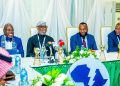
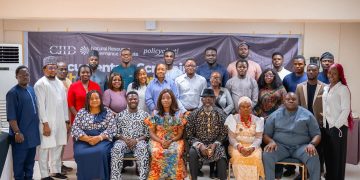
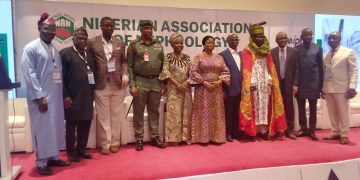
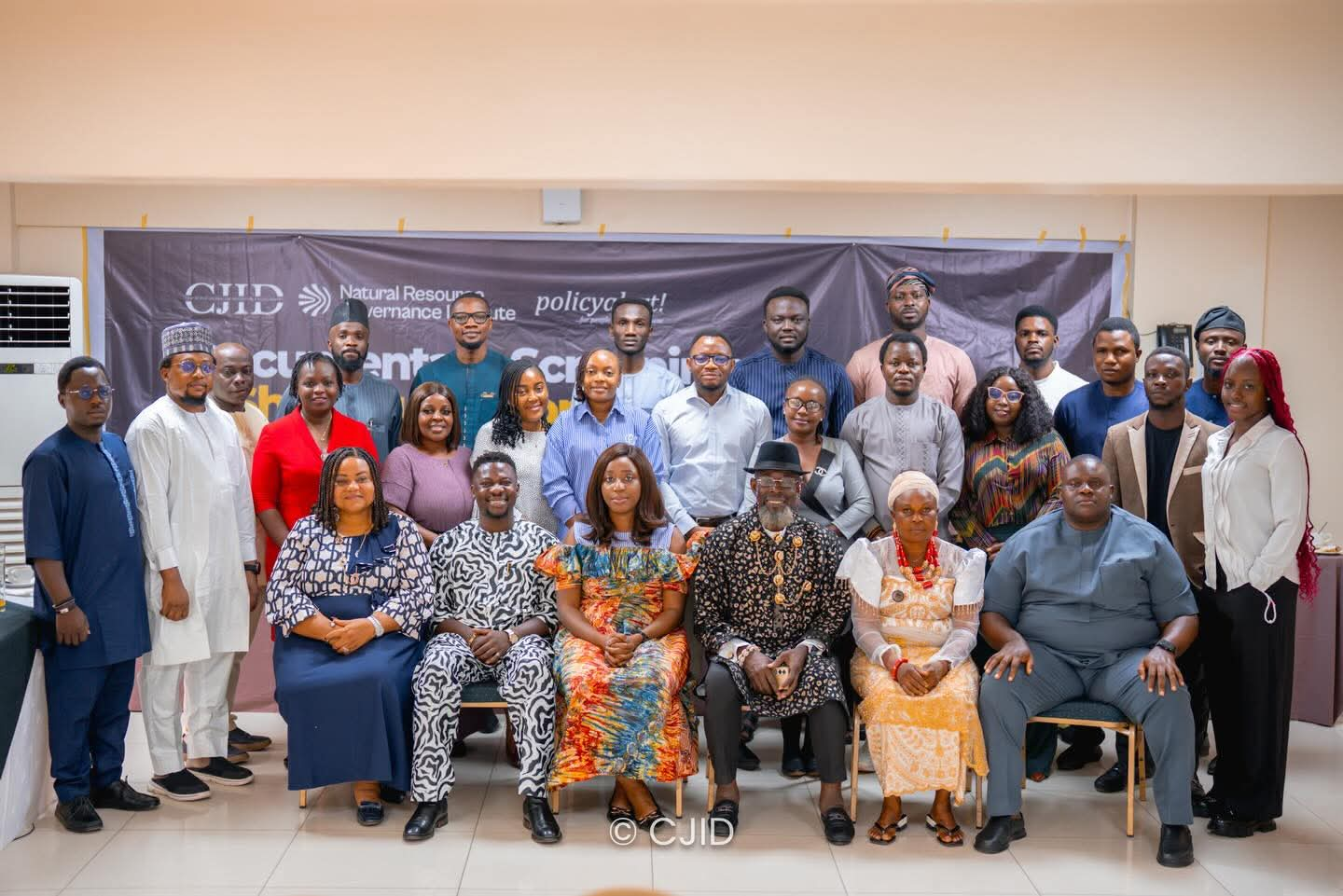
The call was made in Abuja at a closed-door dialogue and documentary screening on the human cost of methane emissions in the Niger Delta.
They warned that unchecked emissions are worsening health, environmental and economic challenges in host communities.
Participants blamed unregulated methane emissions and gas flaring for declining farm yields, polluted waters, loss of livelihoods and rising poverty in affected communities.
A women leader from Ikarama community in Bayelsa State, Mrs Ayibakuro Warder, said farming and fishing—major sources of livelihood—have been severely impacted, while strange illnesses are becoming more common.
Similarly, a traditional leader from Southern Ijaw, Chief Zion Kientei, raised concerns over the absence of comprehensive Environmental Impact Assessments for some oil operations in his area, warning of potential risks to rivers and public health.
In her remarks, the Country Manager of NRGI, Mrs Tengi George-Ikoli, called for stronger enforcement of environmental regulations, improved emissions monitoring systems before 2027, and greater transparency from oil and gas companies in disclosing methane data.
She also urged companies to deploy technologies to capture methane for productive use, noting that it can be converted into energy for homes and industries.
Stakeholders stressed the need for enhanced collaboration among government, civil society and industry players to bridge the gap between policy commitments and realities in oil-producing communities.
The event was convened by the Natural Resource Governance Institute and the Centre for Journalism Innovation and Development.