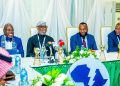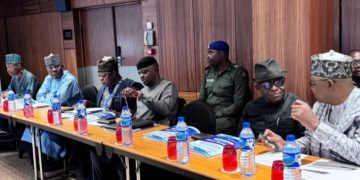









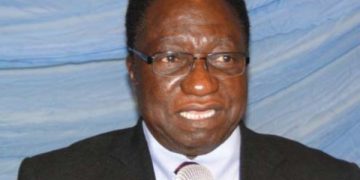























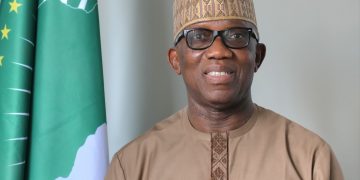
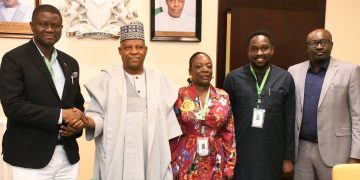
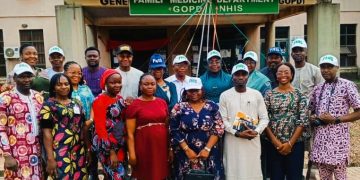


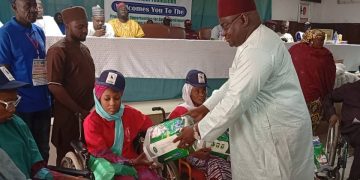


Minister of Water Resources and Sanitation, Professor Joseph Terlumun Utsev, has called for strengthened collaboration and timely implementation of workplans under the World Bank-supported Sustainable Urban and Rural Water Supply, Sanitation and Hygiene Programme — known as SURWASH.
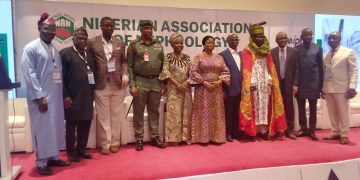
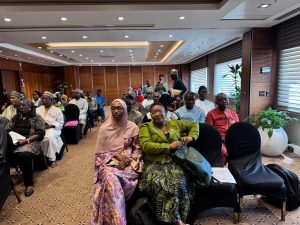
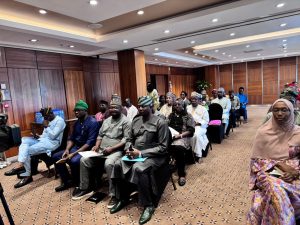
Professor Utsev stated this at the 4th Federal Steering Committee Meeting/Round table meeting with states commissioner for water
in Abuja,
The Minister noted that delays in budget finalization and workplan submissions affected the timely holding of previous meetings.
He explained that the Mid-Term Review of the SURWASH Programme, which began in September 2024, led to key restructuring aimed at improving disbursement and implementation efficiency.
“We successfully concluded the first phase of the restructuring in February this year. Key changes include aligning critical disbursement-linked indicators and transforming Programme Implementation Units into stronger Coordination Units, both at federal and state levels” he stressed.
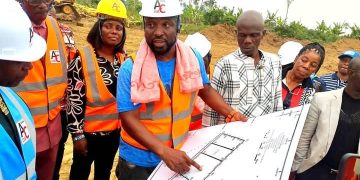
The Minister also announced the ongoing second phase of the restructuring, with goals such as re-allocating funds and onboarding additional states. So far, 10 new states have been selected from a pool of 19 applicants after a rigorous eligibility assessment.
“In terms of impact, the programme has recorded modest gains over 58,000 people now have access to clean water, and WASH facilities have been installed in 21 schools and health centres. However more is been expected” Professor Utsev stated.
He confirmed the completion of the Year 4 Independent Verification Agent Report, pending validation and disbursement, and hinted at a second verification cycle before year-end to ease cash flow concerns at the state level.
“The success of SURWASH is key to achieving the Renewed Hope Agenda of Mr. President and States must commit to proper funding, strategic communication, and timely execution of programme activities.” The Minister emphasized.
Professor Utsev expressed appreciation to the World Bank, the Federal Executive Council, and state commissioners, urging continued support to achieve the programme’s long-term development goals.