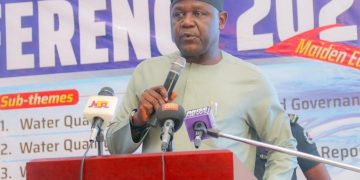







































The Minister of Water Resources and Sanitation Professor Joesph Utsev says water quality is a fundamental determinant of public health, socio-economic development, and environmental sustainability of the country.
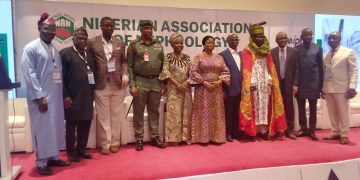
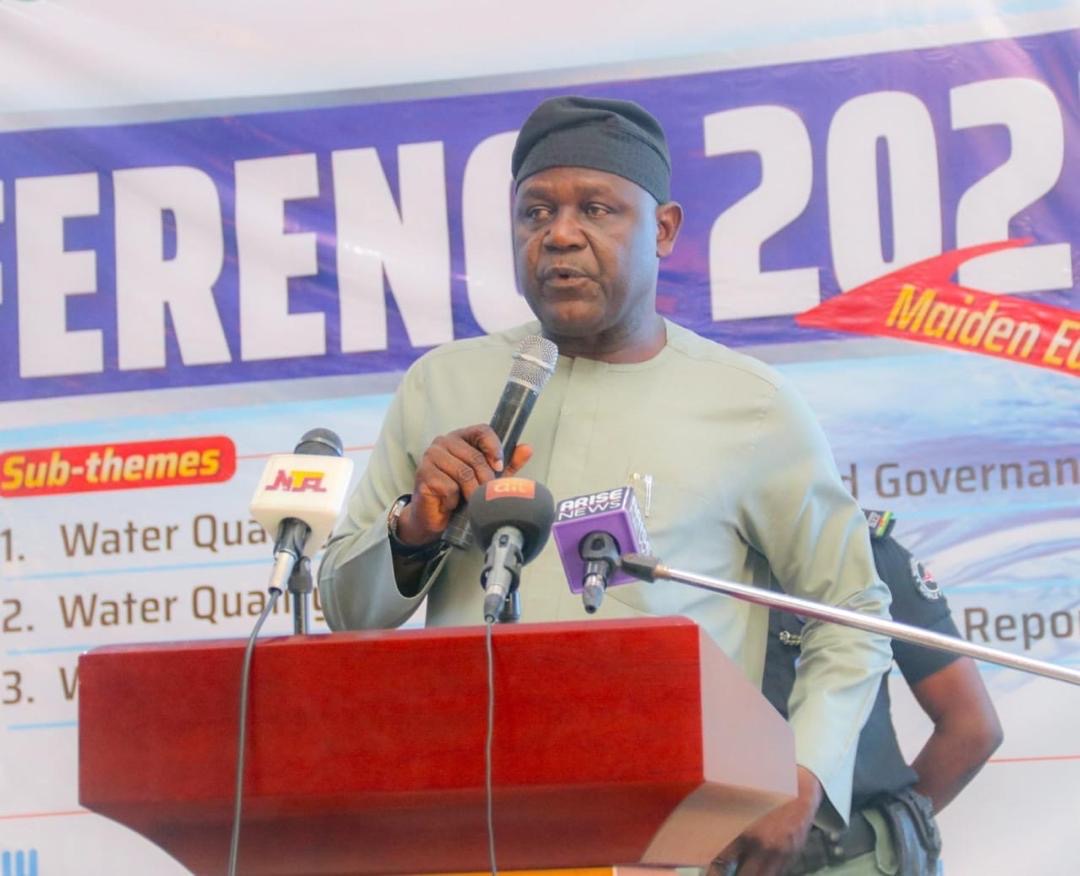
Professor Utsev stated this at the 2025 annual water quality conference in Abuja, highlighting the importance of improved and safe water to the development of Nigeria.
Professor Utsev who was represented by the Permanent Secretary of the Ministry, Mr Richard Pheelangwah, insisted that sanitation and water quality remained the concern of the federal government.
“We all know that water quality is at the fulcrum of national development and a fundamental determinant of public health, socio-economic development, and environmental sustainability,” he added.
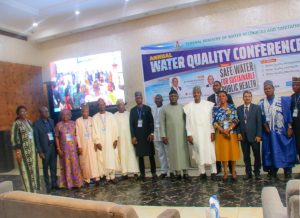
“This is why the Ministry selected the theme of this conference: “Safe Water for Sustainable Public Health”, The theme underscored the crucial role of water quality in achieving national and global development goals, since access to safe water has a significant effect on our progress towards sustainable development”.
“It is also worthy of note that poor sanitation remains a significant concern, as the percentage of Nigerians having access to safely managed sanitation facilities is not encouraging, while still trying to address the incidence of open defecation in the country” Professor Utsev stressed.
“The report from the monitoring activities in Rivers and Open Water Bodies undertaken by the Ministry in 2019 revealed the indiscriminate pollution of Nigeria’s freshwater resources by wastewater discharge, open defecation, and refuse dumping”.
He lamented that the situation is further compounded by unregulated borehole drilling and lack of adherence to standard codes of practice, which over time has contributed to the contamination of drinking water sources.
Professor Utsev pointed out that the Ministry is leveraging modern technologies to put in place innovative solutions to the current sanitation and hygiene challenges in the country.
He added that the ministry is committed to mobilising Nigerians towards ending the practice of open defecation to improve water quality, public health and and environmental sanitation for the overall well-being of Nigerians.
The minister appreciated the development partners; UNICEF, WaterAid, Society for Family Health, OPSWASH, Nestle, and other partners for their unwavering support in advancing water quality initiatives.
Earlier in his welcome address, the Permanent Secretary of the ministry, Mr Richard Pheelangwah, said the safety of water is critical for the development of any nation.
The Permanent Secretary, who was represented by the Director of water sanitation in the ministry, Mrs Elizabeth Ugo, attributed waterborne diseases to lack of safe water.
He urged stakeholders in the meeting to seize the opportunity to deliberate on how to improve the quality of water for a healthier and more resilient nation.
“It is pertinent to note that the safety of our water supply is a public health, economic and environmental priority. We are all aware that contaminated water remains one of the leading causes of waterborne diseases such as cholera, typhoid, and diarrhoea, which halts socio-economic development. ”
“It is, therefore, our collective duty to develop and implement robust policies, institutional frameworks, and innovative solutions to improve water safety across the country”.
The UNICEF WASH manager for climate change, Mr Chiranjibi Tiwari who stated that more than 2/3 of the water sources in Nigeria are contaminated and not safe for drinking purposes added that to achieve the renewed hope agenda of the President all hands must be on deck to address the solution by working together.
Georgina Humphrey, Edited By Grace Namiji