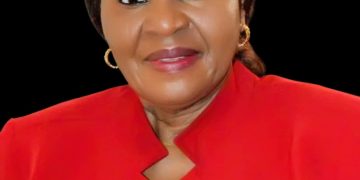































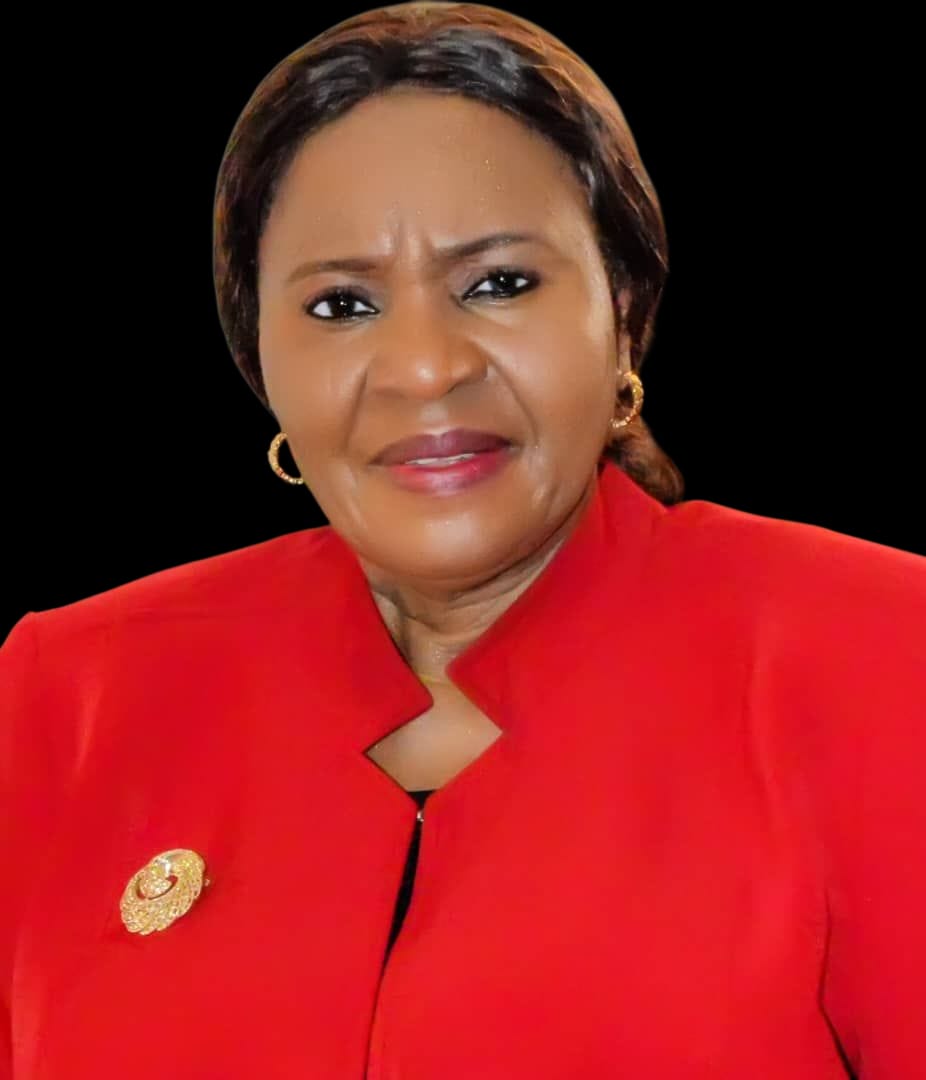
Foremost academic and presidential aspirant in the 2023 general elections, Professor Benedicta Egbo, has called for the creation of support networks funded through private and public efforts to enhance the chances of women seeking political offices.
A statement signed by her in Abuja calls for the urgent, enactment of laws that will guarantee women’s greater participation in politics and democratic governance in the country in the interest of equity, fairness and national unity.
According to the statement, Nigeria is at an important historical juncture, and achieving its promise as a successful and thriving nation requires that women are given a voice as equal partners in politics and public decision-making in ways that transcend symbolic tokenism.
The statement calls for reform-oriented interventions such as removing economic barriers that limit women’s access to resources such as campaign finance, removing cultural impediments, combating gender-based violence and building women’s capacity through mentorship and political literacy programmes.
“Gender equality in all socio-political spheres is fundamental to good governance, a healthy and sustainable democracy. So, what is the way forward” Professor Egbo stresses.
According to her, no profound social change and sustainable development in Nigeria can be achieved without the full participation of women in the socio-political arena.
“Transforming the status quo requires the adoption of several innovative interventions including the removal of the structural and systemic barriers that impede women’s political participation” she notes.
It cautions against discriminatory practices against women seeking public offices, stressing that keeping women at the margins of politics, governance and public decision-making is the same as excluding one half of the country’s population from the processes of development and nation-building.
“Put differently, the transformative development we seek and yearn for in Nigeria cannot take place without co-opting women and giving them a seat at the table” she emphasizes
The statement notes the failure of previous attempts at addressing and resolving the problem of gender imbalance in Nigeria’s electoral politics
“Furthermore, enacting constructive affirmative action laws that guarantee women a certain number of seats within the country’s parliament and other organs of governance should be a non-negotiable intervention strategy” she adds.
The statement explains that while the number of seats is negotiable, it is not unreasonable to expect that between 30-35% of the seats at both the national and state assemblies should be reserved for women adding that empowerment through quotas is only a starting point.
The statement laments that the current place of women in the country`s political journey remains at the periphery of the country`s political ecosystem despite the momentum gained in the advocacy for the empowerment of women for greater participation in politics and governance in the country.
It highlights that while successive governments have tried to implement policies that were aimed at boosting women’s representation in public decision-making, the well intentioned have recorded abysmal failures.
“It is not a secret that previous attempts at passing a gender equality bill at the National Assembly that would have included the much touted 35% quota for women, have been unsuccessful” she states.
“Currently, Nigeria has no substantive legally-binding affirmative action policy vis à vis fair and equitable gender representation in politics. Rather, a cursory review of the information on demographic representation in electoral politics and public decision-making in the country, paints a picture of women’s political exclusion and marginalization even though Nigeria’s 1999 Constitution (as amended) underscores the right of every citizen including women, to full participation in the life of the country.
“In particular, Section 40 states that “Every person shall be entitled to assemble freely and associate with other persons, and in particular he may form or belong to any political party, trade union or any other association for the protection of his interests”
“The exclusion of women from governance and public decision-making processes is inimical to social progress, adding that many countries are striving, often through quotas, to increase women’s representation in their national parliaments.”
“A relatively recent United Nations report shows that in 2020, about 20% of the world’s heads of state or government were women while 25% of parliamentary seats were held by women.
“Similarly, the proportion of cabinet ministerial positions held by women was 22% while they also constituted 20% of the presidents or speakers of parliament.
“Comparatively, Nigeria lags far behind. Currently, women constitute only a tiny proportion of the executive branch, the national and state assemblies. A close analysis of the data on four of the most recent national legislative assemblies underscores the point.
The statement says ironically, while women remain grossly underrepresented in politics in Nigeria, five of the top countries in the world with high female parliamentary representation are in Africa as follows: Rwanda (61.3%), Senegal (41.2%), South Africa (44.6), Namibia (32.6%) and Mozambique (39.2 %). Notably, Rwanda has the highest parliamentary representation of women globally.”