



































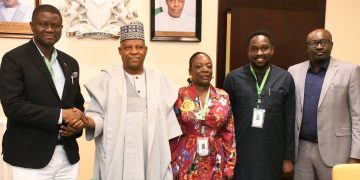





Ministry of Water Resources and Sanitation has partnering the Standards Organisation of Nigeria (SON) to enhance the quality of irrigation water in the country.
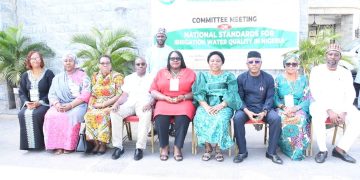
This was the focus of the Technical Committee on Water Quality meeting for the development of the Nigerian Standard for Irrigation Water Quality in Abuja.
The collaboration aims to develop and implement robust irrigation water quality standards that align with global best practices.
The Director of Irrigation and Drainage at the ministry, Mrs Oyeronke Oluniyi, described the initiative as crucial for enhancing agricultural productivity, ensuring food security, and advancing Nigeria’s socio-economic development.
She added that the partnership aimed to improve water quality, support farmers, and safeguard ecosystems.
“The ministry has been working to raise awareness about water quality by discouraging practices such as washing clothes in irrigation systems and open defecation.
“This is crucial because many food products are consumed raw and unprocessed, making it essential to ensure the availability of quality water for agricultural purposes”
The director further stated that the ministry would transfer the project to SON while maintaining a supervisory role.
Earlier, the Director of Water Quality Control and Sanitation at the ministry, Mrs Elizabeth Ugoh, Director of Water Quality Control and Sanitation at the ministry, emphasised that validating irrigation standards would help tackle key development challenges in Nigeria.
She said the ministry was committed to validating irrigation standards to boost food security, nutrition, productivity, and socio-economic development.
“Since 2022, the committee has been critically reviewing the documents, aiming to develop irrigation water quality standards tailored to Nigeria’s needs for effective agricultural practices”
Ugoh also stressed the need to address poor monitoring and evaluation and to conduct regular reviews for sustainable progress.
On his part, the Director General of the Standards Organisation of Nigeria (SON), Dr Ifeanyi Okeke, represented by the Deputy Director, Food and Agriculture Group, Mrs Nene Obianwu said maintaining standards was key to protecting crops from harmful contaminants which threatens public health.
“These are the Principles and Procedures for the Development of the Nigerian National Standards (PPDNNS) and the Nigerian National Standardisation Strategy (NNSS).
“These documents provide guidelines aligned with international best practices, with the NNSS outlining a four-year plan to address Nigeria’s environmental and socio-economic priorities,” Okeke said.
He stressed that forming a National Technical Committee was essential for implementing these standards and urged effective discussions to finalise the draft.
“Water is vital for agriculture, directly impacting crop yield, soil health, and food security.
“With challenges like climate change and population growth, improving water management, especially in irrigation, is essential,” he added.
He further emphasised that developing a Nigerian Standard for Irrigation Water Quality was key to protect crops from harmful contaminants, which threatened public health and economic growth.
Okeke noted that these efforts supported Nigeria’s commitment to the UN’s SDGs and encouraged participants to contribute their expertise in developing a framework for sustainable irrigation water safety.
He also acknowledged the Federal Ministry of Water Resources and Sanitation’s support in advancing the project.