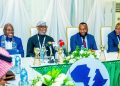






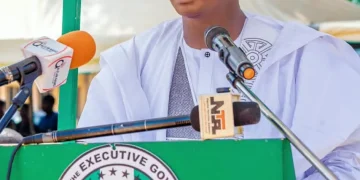
















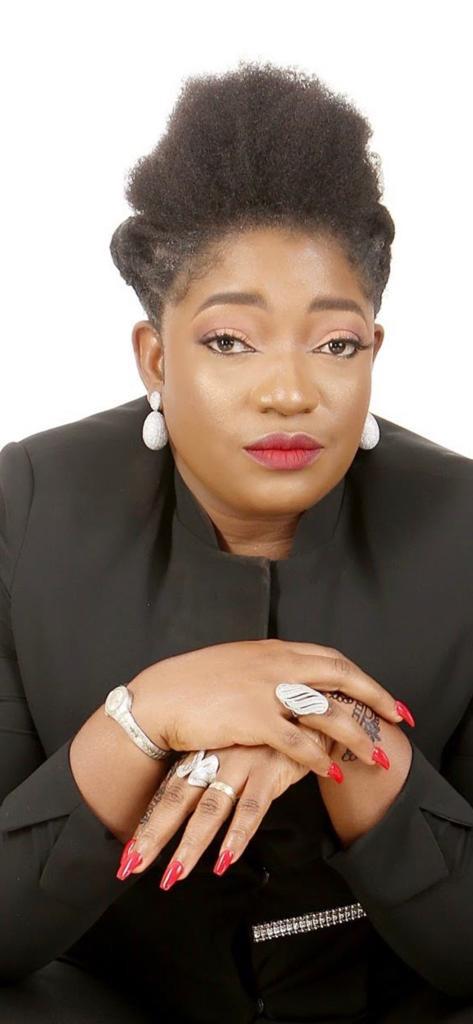
The Executive Director of Women in Mining Africa, WiM-Africa, Dr Comfort Asokoro-Ogaji, has called on African countries to strengthen their mineral market intelligence, processing capacity and financial systems to enable the continent to gain greater influence over global metals pricing.
Asokoro-Ogaji made the call at the Shanghai Metals Expo 2026 during a roundtable discussion on Eastern Pricing 2.0: Integrating Futures, Physical Markets, Industry and Finance for the Next Stage of Global Metals Pricing.
She said Africa’s abundant deposits of copper, cobalt, lithium, manganese, gold and other critical minerals had not translated into corresponding influence over the international markets that determine their commercial value.
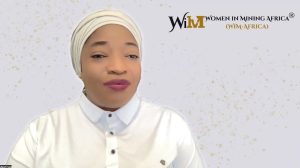
The WiM-Africa Executive Director noted that although the continent remained a major supplier of strategic minerals for manufacturing, infrastructure and the global energy transition, inadequate processing facilities, limited market information and weak access to finance continued to affect its bargaining position.
She explained that the actual value of minerals depended not only on international price benchmarks but also on product quality, mineral grades, processing costs, transportation, contract terms and producers’ negotiating capacity.
According to her, African countries must prioritise reliable mineral testing, standardisation, traceability and access to credible market information to enable local producers to negotiate better prices and compete effectively in international markets.
Asokoro-Ogaji identified five critical areas requiring attention: improved mineral market intelligence, investment in testing and certification, expansion of local processing and regional value chains, stronger connections between producers and commodity markets, and inclusive participation in the mining industry.
She also stressed the need to increase women’s participation in the mineral value chain, noting that many women engaged in mining, processing and mineral trading continued to face difficulties accessing finance, equipment, technical expertise and formal markets.
The WiM-Africa chief executive said the organisation was working with strategic partners, including Shanghai Metals Market, to connect women-led mining enterprises with market intelligence, industrial networks, research institutions, technology and commercial opportunities.
She urged African countries to deepen partnerships with China beyond mineral purchases, particularly in processing technology, laboratory development, professional training, responsible sourcing, investment and direct access to international buyers.
While acknowledging the growing influence of Asian markets in global metals trading and price discovery, Asokoro-Ogaji maintained that Africa’s objective should be to develop the capacity to participate meaningfully in determining mineral value rather than merely supplying raw materials.
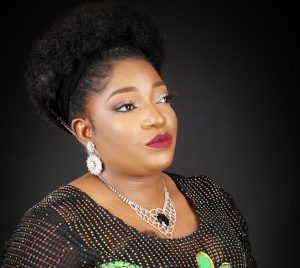
She said stronger institutions, competitive businesses, regional cooperation and access to financial instruments would be essential to translating Africa’s mineral resources into industrial growth and sustainable economic prosperity.
She concluded that Africa’s mineral wealth must be matched with market power, stressing that possession of natural resources alone could not guarantee economic development without the capacity to influence the systems through which their value was determined.