






































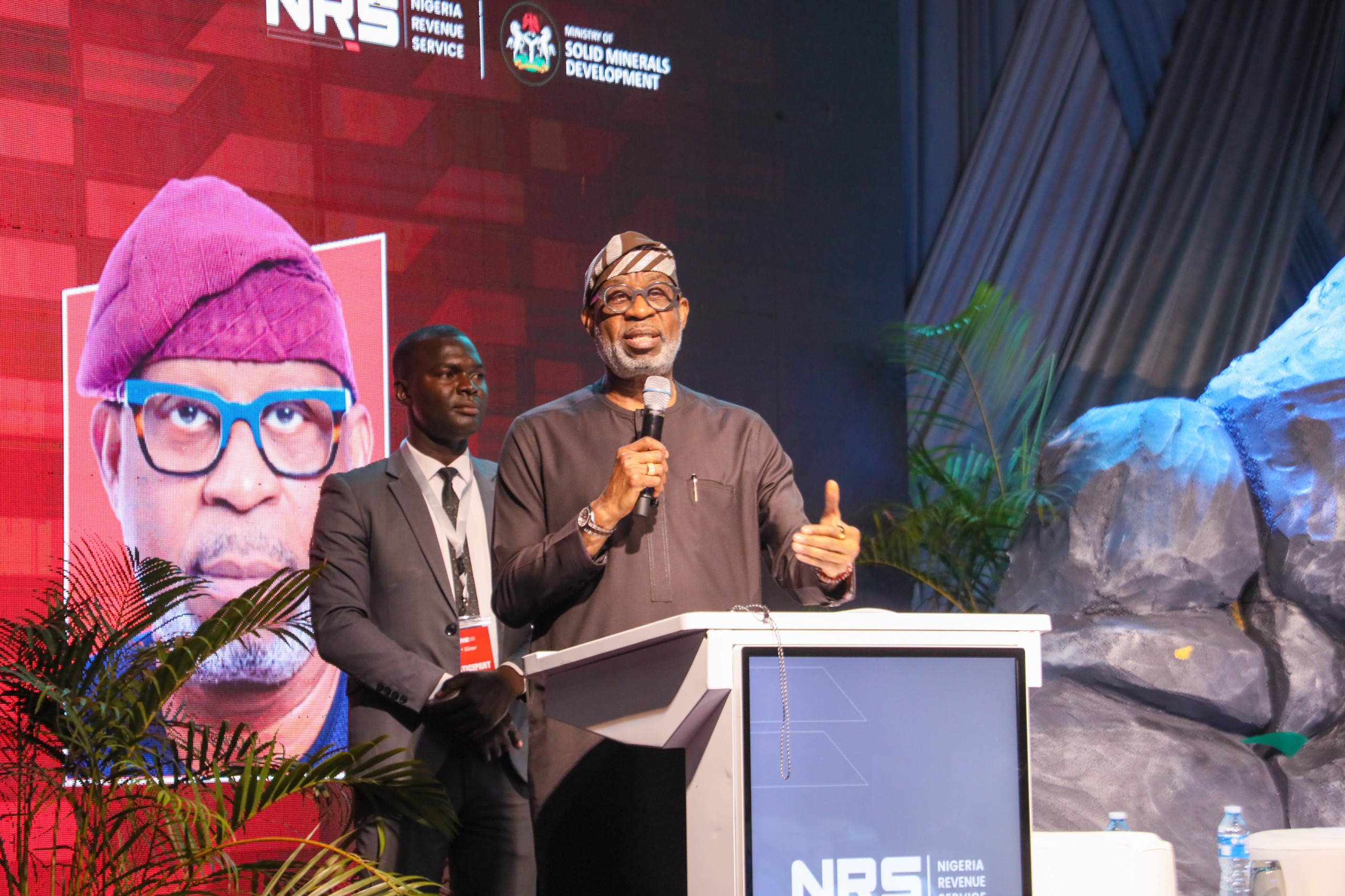
The Minister of Solid Minerals Development, Dele Alake, says the economic reforms introduced by President Bola Ahmed Tinubu prevented Nigeria’s economy from collapsing in 2023.
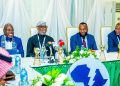
He stated this while speaking at the 2026 NRS-MSMD Joint Stakeholder Sensitization Programme for the North Central zone, in Abuja, with
The themed: “From Resource to Revenue: Aligning Solid Minerals Operations with the 2025 Tax Reform Act.”
Dr. Alake said the removal of fuel subsidy and other fiscal reforms were painful but necessary measures to rescue the nation from economic disaster.
According to the minister, Nigeria’s economic decline began when the country abandoned local production and embraced excessive importation from the 1980s onward.
He lamented that the nation shifted from being a productive economy to a heavily import-dependent society, leading to factory closures, unemployment, and pressure on the naira.
“We were importing everything importable, including toothpicks and orange juice — products that could easily be produced locally,” he said.
Reflecting on the strength of the naira in the early 1980s, Alake recalled that one dollar exchanged for about 80 kobo at the black market, while the official rate stood at 52 kobo.
The minister blamed previous administrations for failing to confront the worsening economic situation, noting that Nigeria at one point spent hundreds of millions of dollars importing non-essential items, while also borrowing to pay workers’ salaries.
According to him, by the time the Tinubu administration assumed office, Nigeria’s financial condition had deteriorated severely, with the country borrowing for recurrent expenditure and printing trillions of naira to sustain government operations.
“What would have happened by September 2023 if fuel subsidy had not been removed is that the economy would have crashed completely,” he stated.
He explained that the current administration’s reforms are aimed at blocking leakages, restoring fiscal discipline, and repositioning the economy for long-term growth.
Alake likened the reforms to stopping a nation from “digging itself deeper into a hole,” stressing the need to rebuild sustainable economic structures.
Also speaking at the event, the Permanent Secretary, Faruk Yabo, emphasized the need to reposition the solid minerals sector to drive economic diversification, job creation, and sustainable development.
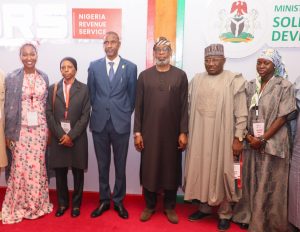
He said aligning mining operations with the 2025 Tax Reform Act would help eliminate revenue leakages, improve transparency, and ensure Nigeria derives greater value from its mineral resources.
Yabo further called on operators, regulators, and stakeholders in the mining industry to fully comply with the new royalty administration framework to strengthen government revenue generation and support industry growth.
The sensitization programme brought together stakeholders across the solid minerals value chain to deepen understanding of the new tax and royalty reforms in the sector.
By Georgina Humphrey