































Women in Mining Africa, WiM-Africa, has called on West African countries to move beyond the extraction of mineral resources and focus on building industries, creating jobs and expanding economic opportunities for local businesses.
The organisation said the region’s mineral wealth would only deliver lasting benefits when investments translate into functional industries, improved infrastructure, skilled employment and better living conditions for mining communities.
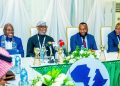
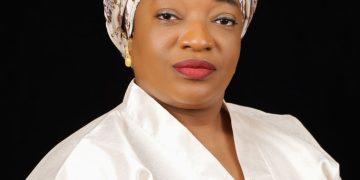
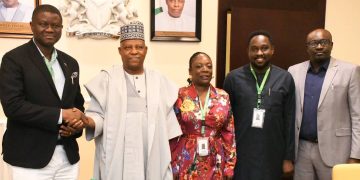
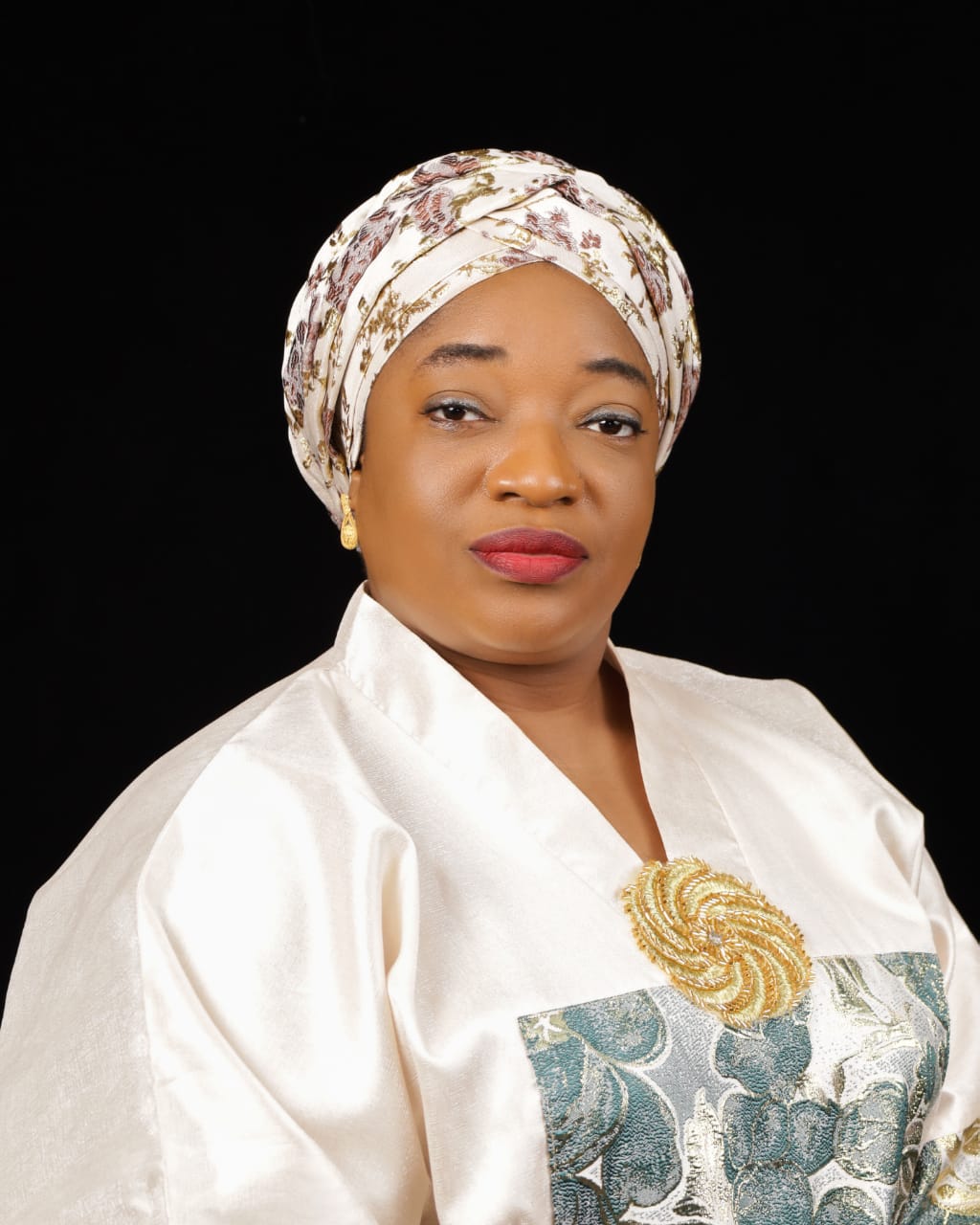
Executive Director of WiM-Africa, Dr Comfort Asokoro-Ogaji, made the position known in a paper presented at the 2026 West Africa Integration and Investment Summit, WAIIS, in Sierra Leone.
In the paper titled West Africa’s Mineral Wealth Must Translate into Industrial Capacity and Shared Prosperity, Asokoro-Ogaji stressed the need for stronger regional cooperation, responsible mining practices and improved access to investment opportunities.
She noted that mineral development requires more than identifying deposits and announcing investments, explaining that projects must be properly prepared, financed and supported with reliable electricity, transportation, water and other essential infrastructure.
The WiM-Africa Executive Director also called for greater regional collaboration to establish processing facilities and develop local businesses that can provide engineering services, equipment maintenance, transportation, laboratory testing and other support to the mining industry.
On responsible mining, she emphasised the need for effective regulation, regular inspections and improved safety standards, noting that mineral traceability must go beyond identifying the source of resources to ensuring that workers are protected and environmental standards are maintained.
She further urged governments and mining companies to treat host communities as partners in development through fair compensation, employment opportunities, local procurement and regular engagement.
Asokoro-Ogaji maintained that women-owned businesses and other local enterprises should have better access to contracts, technical training, certification and financing to enable them to compete in the mining value chain.
According to her, the proposed plan includes identifying priority mining projects, assigning responsibilities, establishing financing arrangements and setting measurable targets for implementation.
She said progress should be assessed not only through investment announcements but also through actual funds released, infrastructure delivered, operational processing facilities, jobs created, local businesses supported and improvements in community welfare.
Dr. Asokoro-Ogaji maintained that West Africa could transform its mineral resources into long-term economic prosperity through responsible investment, regional cooperation and greater inclusion of women and local businesses in the mining industry.
The paper also highlighted the need to expand women’s participation in the mining sector, particularly in business ownership, procurement, access to finance and leadership positions where investment and commercial decisions are made.
WiM-Africa proposed a 90-day follow-up plan involving governments, investors and development institutions to ensure that the summit’s discussions produce practical results.