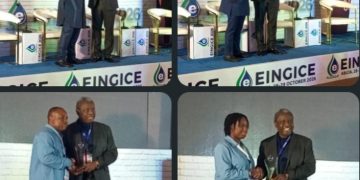









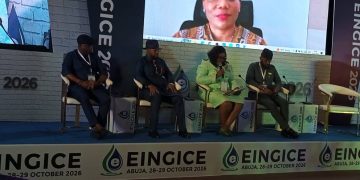

































Energy experts have called on African governments and industry operators to increase investment in gas infrastructure, reduce methane emissions and strengthen regional cooperation to promote industrial growth.
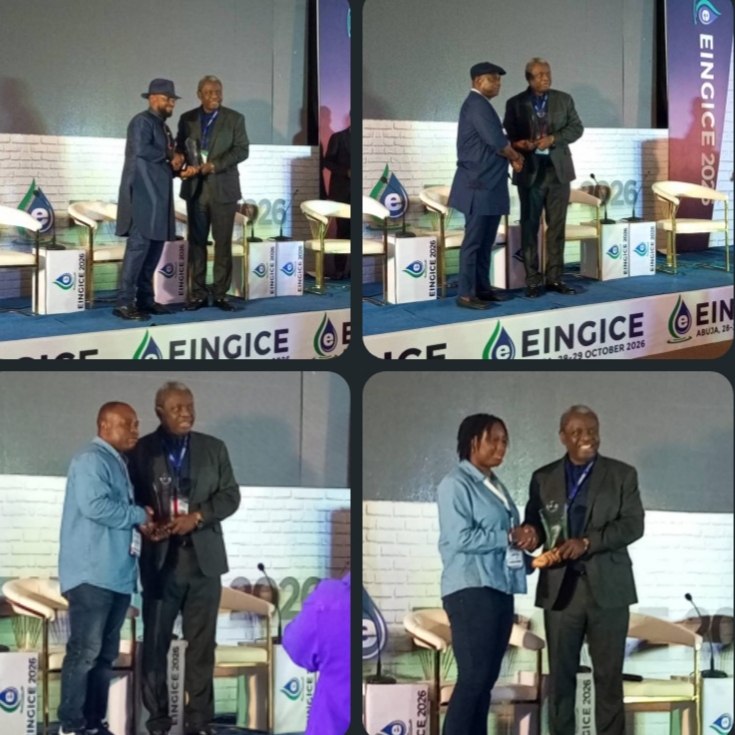
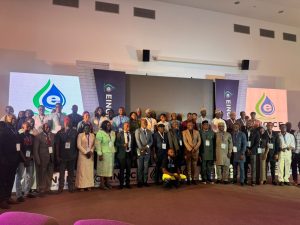
This is contained in a communiqué issued at the end of the 3rd Emogas International Natural Gas-Based Industries Conference and Exhibition, EINGICE 2026, in Abuja and read by Dr Hamisu Dandajeh of Ahmadu Bello University, Zaria.
The communiqué notes that Africa holds between nine and 10 per cent of the world’s proven gas reserves but contributes only about six to 6.5 per cent of global gas production.
It says Nigeria has recorded progress in gas development, with proven reserves rising from about 41 trillion cubic feet in 1980 to 215 trillion cubic feet in January 2026.
According to the communiqué, gas flaring has also dropped from between 75 and 80 per cent in the 1980s to below seven per cent in 2026.
It states that gas-fired plants account for 23 of Nigeria’s 28 grid-connected power plants, while CNG stations increased from seven in 2023 to 105 in 2026.
However, the experts identify poor infrastructure, unreliable gas supply, high investment costs, limited access to finance and weak coordination among institutions as major challenges facing the industry.
They stress that African countries must turn their gas resources into reliable energy supply, industrial growth and job opportunities, noting that large reserves alone cannot guarantee electricity access.
The communiqué urges governments to harmonise policies, improve coordination among industry operators and strengthen pipeline security while calling for better metering and payment systems to improve gas supply.
It further calls for an end to routine gas flaring and encourages wider use of LPG and CNG while recommending proper assessment of project risks, including funding, foreign exchange, security and transportation costs before major investments are approved.
On funding, the experts encourage the use of regional financing platforms, including the Africa Energy Bank and local financing partnerships, to support gas infrastructure while also calling for stronger cooperation among African regulators to improve cross-border gas trade.
The communiqué highlights the importance of digital technology in improving gas production, plant operations and emissions control.
It advises operators to establish reliable data systems before adopting advanced technologies such as artificial intelligence.
The stakeholders call for stronger partnerships among governments, universities and private companies to establish research laboratories and testing centres for local gas technology development and also recommend research grants and tax incentives to encourage private investment.
They urge African countries to develop local skills and technology rather than depend mainly on imported solutions while also recommending improved technical training through digital learning tools, while maintaining supervised practical training.
On environmental protection, the experts say methane accounts for about 30 per cent of emissions across the LNG supply chain
According to the comunique, they note that more than 60 per cent of methane emissions could be reduced using existing technologies, urging producers to measure and control emissions.
The communiqué also calls for gas development to be planned alongside renewable energy, electricity grids and storage systems urging ministries, regulators, operators, universities and financiers to work together, with clear responsibilities and timelines for implementing the recommendations ahead of the next EINGICE conference.