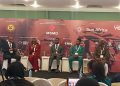





























The Federal Government has unveiled the Presidential Executive Order on Open Defecation-Free, ODF, Nigeria by 2030 and other related matters to strengthen the country’s efforts towards ending open defecation.
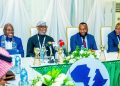
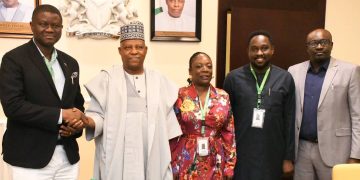
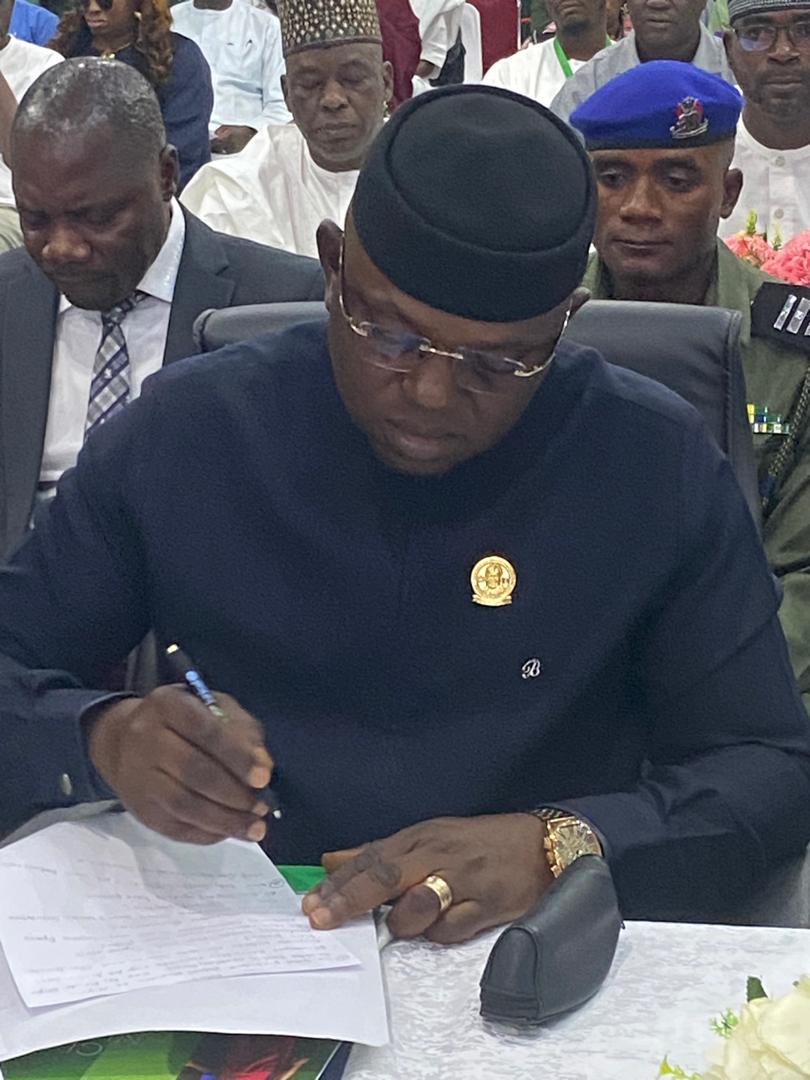
The Vice-President, Senator Kashim Shettima, represented by the Senior Special Assistant to the President on Delivery and Coordination, Office of the Vice-President, Mr Akubo Adegbe, performed the unveiling during the 2026 World Toilet Day celebration and the seventh anniversary of the Clean Nigeria: Use the Toilet Campaign in Abuja.
Shettima said the Executive Order, signed by President Bola Ahmed Tinubu, would strengthen national coordination, promote accountability and reinforce the collective responsibility of governments and other stakeholders in achieving an open defecation-free Nigeria by 2030.
He said the order was aimed at translating commitments into measurable results and ensuring sustainable progress.
The Vice-President stated that Nigeria had achieved ODF status in 185 Local Government Areas, while Jigawa and Katsina States had attained statewide ODF status since the campaign began in 2019.
He, however, said more efforts were required across the country’s 774 LGAs to accelerate progress and prevent communities that had attained the status from relapsing.
Shettima who called for increased investment in sanitation, reliable data, stronger institutions and sustained behavioural change urged state and local governments to take ownership of the campaign by providing adequate resources and strengthening sanitation delivery.
He appealed to development partners, traditional rulers, community leaders, civil society organisations and the private sector to sustain their support.
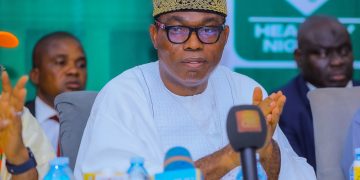
Earlier, the Minister of Water Resources and Sanitation, Professor Joseph Utsev, said the Clean Nigeria Campaign had, over seven years, become an important platform for policy coordination, institutional engagement, community mobilisation and performance monitoring.
Utsev said the Federal Government had strengthened the campaign through the Revised Clean Nigeria Strategy 2025–2030, which focuses on six areas: enabling environment; partnerships and coordination; public finance; service delivery; advocacy and communication; and monitoring, evaluation, learning and accountability.
He identified the development of the Clean Nigeria Real-Time Monitoring and Information System, CNC-RTMIS, as another major achievement, explaining that it would improve data management, track performance and strengthen accountability.
The minister added that the revised Presidential Executive Order 009, signed by President Tinubu following the extension of the ODF target to 2030, would reinforce stakeholder participation, private sector engagement and monitoring.
He identified adequate financing, behavioural change, community ownership, multi-sectoral collaboration and reliable data as critical to achieving and sustaining ODF status.
Also speaking, UNICEF Chief of Water, Sanitation and Hygiene, WASH, Emily Rand, called for increased sanitation funding, stronger partnerships and improved coordination among government institutions, development partners and the private sector.
Rand challenged state and local government representatives to demonstrate their commitment by providing dedicated budgetary allocations for sanitation and establishing regular coordination with finance and planning departments and other relevant stakeholders.
She stressed that achieving ODF status was not enough without adequate funding and sustainable sanitation facilities, noting that toilets must be durable and capable of withstanding climate-related challenges, particularly flooding and drought.
The former Head of Service,Didi Esther Walson-stressed that sanitation goes beyond sewage management, describing the toilet and sanitation sector as a critical area of public health, human dignity and economic opportunity.
According to the speaker, access to decent toilets provides people, especially women and children, with safety, privacy and a conducive environment for education and healthcare.
The former Head of Service described sanitation as a serious business that requires greater attention and investment from both government and private sector players.
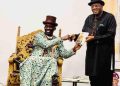
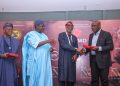
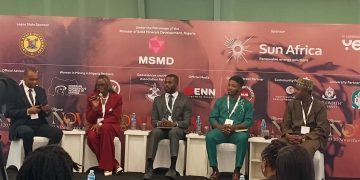
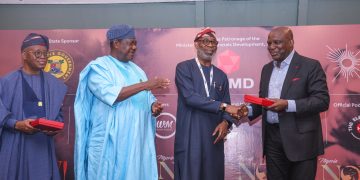
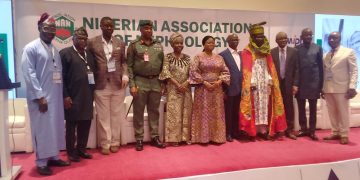
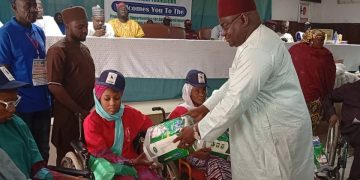
Goodwill messages were delivered by representatives of the Ministry of Youth Development, the Clean Nigeria Campaign WASH Ambassador and the Society for Water and Sanitation, NEWSAN, among others. Other highlights included the presentation of ODF certificates to qualifying local government areas and the decoration of First Ladies as Clean Nigeria Campaign Ambassadors to promote sanitation advocacy and community mobilisation.