





































The Federal Government says it is taking major steps to revive Nigeria’s steel industry as part of efforts to boost industrialisation, create jobs, and attract investments.
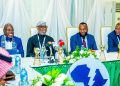
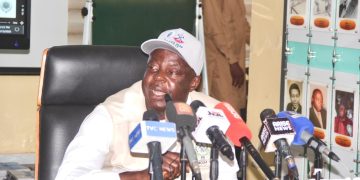
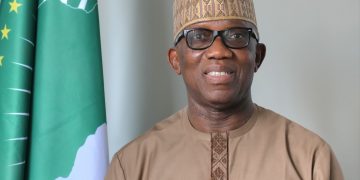
Minister of Steel Development, Prince Shuaibu Abubakar Audu, stated this during the opening panel session of the 5th African Natural Resources and Energy Investment Summit, AFNIS 2026, in Abuja.
Speaking on the summit theme, “One Africa, One Resource Vision,” the Minister said Africa must move beyond exporting raw materials and focus on local processing, manufacturing, and value addition.

He noted that steel remains a key driver of economic development worldwide, supporting sectors such as construction, transportation, manufacturing, agriculture, and defence.
According to him, although Africa has vast mineral resources, no African country is among the world’s top ten steel-producing nations, highlighting the need for greater investment in the sector.
Prince Audu said Nigeria is well-positioned to become a major steel producer because of its large deposits of iron ore, limestone, dolomite, and other minerals needed for steel production.
He acknowledged challenges facing the sector, including poor infrastructure, low production capacity, and dependence on imported steel products, but said the government is addressing these issues through targeted reforms.
The Minister stated that work is ongoing to revive key steel assets, including the Ajaokuta Steel Company, the National Iron Ore Mining Company, and the Aluminium Smelter Company of Nigeria (ALSCON).
He said a technical audit of Ajaokuta Steel Plant is currently underway, while discussions with investors and development partners are progressing to ensure its full revival.

Prince Audu also highlighted ongoing investments in the sector, including a 400-million-dollar steel plant in Ogun State, a proposed one-billion-dollar investment by India’s Rashmi Metaliks Group, and the planned recommissioning of Premium Steel and Mines Limited.
The Minister added that the government is working on a new legal framework for the metals industry and has introduced incentives such as tax holidays, duty waivers, and capital allowances to attract investors.
He reaffirmed Nigeria’s commitment to working with other African countries under the African Continental Free Trade Area (AfCFTA) to build a strong regional manufacturing base and drive sustainable economic growth across the continent.