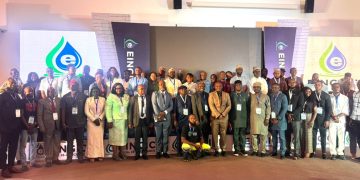






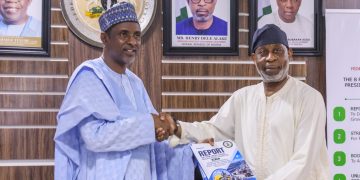


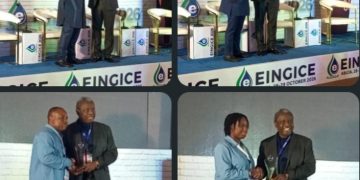
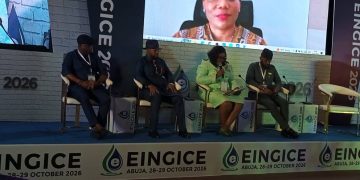

































Stakeholders in the energy sector have called for increased investment in gas infrastructure, local technology and stronger partnerships to turn Africa’s vast gas resources into jobs, electricity and industrial growth.
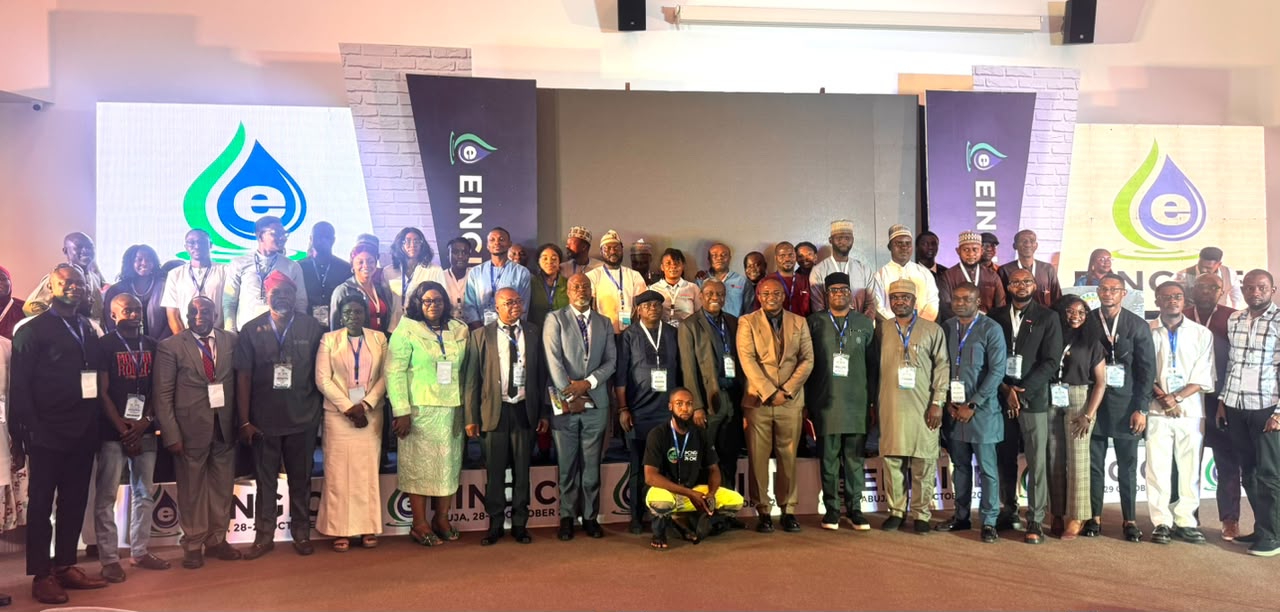
The call was made at the third Emogas International Natural Gas-Based Industry Conference and Exhibition, EINGICE 2026, held in Abuja from October 28 to 29, with the theme, “Accelerating Africa’s Global LNG Trade Share and Driving Gas Industrialisation.”
Opening the conference, its convener, Mr. Emeka Okafor, said Africa must move beyond celebrating its natural resources and focus on creating industries, jobs and locally manufactured products.
He identified poor infrastructure, dependence on imported technology and weak institutions as major obstacles.
Okafor also called for contract awards based on competence and capacity rather than personal relationships.
Similarly, the Vice-Chancellor of the European University of Nigeria, Prof. Charles Esimone, called for stronger partnerships among governments, industry operators, universities and investors to attract investment, promote innovation and expand Africa’s share of the global liquefied natural gas market.
In his keynote address, Managing Director of Oando Energy Resources Nigeria Limited, Mr. Ainojie Irune, said more than 55 trillion cubic feet of discovered Nigerian gas remained undeveloped or awaiting commercialisation, despite the country’s proven reserves of 215.19 trillion cubic feet.
Irune said Africa would need about one trillion dollars in gas investment by 2050, while nearly 600 million people across the continent lacked access to electricity.
He called for better coordination among gas producers, pipeline operators, power plants, industries and investors.
On regulatory progress, the Chief Executive of the Nigerian Upstream Petroleum Regulatory Commission, NUPRC, Mrs Oritsemeyiwa Eyesan, said Nigeria produced an average of 7.42 billion standard cubic feet of gas daily in 2025, with about 92.4 per cent utilised.
Eyesan, represented by the Deputy Director of Gas Utilisation, Janice Anyanwu, said approximately 500 million standard cubic feet was still flared daily due to inadequate infrastructure, high investment costs and insufficient gas volumes at some sites.
She reaffirmed Nigeria’s commitment to ending routine gas flaring by 2030 and highlighted the Nigerian Gas Flare Commercialisation Programme, which offers flare sites to investors for commercial projects.
The second day focused on technology and local capacity development. Chief Executive Officer of AfricEnergy and Infrastructure Limited, Mr Bassey Rex, said artificial intelligence, automation and data analytics could improve pipeline inspection, maintenance, gas distribution and emissions monitoring.
He urged operators to give Nigerian startups access to operational data, pilot projects and procurement opportunities to encourage home-grown innovations.
Also speaking, Group Chief Executive Officer of Stelog Energy Group Limited, Dr Stella Okene, called for greater local ownership of energy technologies. She said African companies should move beyond participating in contracts to developing and owning innovative solutions.
Meanwhile, Executive Secretary of the Nigerian Content Development and Monitoring Board, NCDMB, Mr Felix Omatshola Ogbe, urged indigenous companies to build globally competitive businesses and expand their services into other African markets.
Ogbe, represented by the General Manager, Midstream Monitoring Division, Mr Suleiman Ozimede, said the board supported local businesses through financing interventions, including the Nigerian Content Intervention Fund.
Similarly, Executive Chairman of the Presidential Initiative on Compressed Natural Gas and Electric Vehicles, Mr Ismaeel Ahmed, highlighted investment opportunities in CNG conversion centres, refuelling stations, vehicle deployment, local assembly and technical training.
In its communiqué, read by Dr Hamisu Dandajeh of Ahmadu Bello University, Zaria, the conference said Africa held between nine and 10 per cent of the world’s proven gas reserves but accounted for only about 6 to 6.5 per cent of global production.
It also noted that Nigeria’s CNG stations increased from seven in 2023 to 105 in 2026, while gas-fired plants accounted for 23 of the country’s 28 grid-connected power plants.
The communiqué identified poor infrastructure, unreliable supply, high capital costs and limited access to finance as major challenges.
To address these challenges, the conference called for an integrated gas market linking producers, pipelines, LNG facilities, CNG stations, industries and power plants.
It also urged stronger pipeline security, improved metering and payment systems, and reliable domestic gas supply.
On environmental concerns, the communiqué called for increased efforts to measure and reduce methane emissions.
It further urged government agencies, regulators, investors, universities and development partners to implement the resolutions with clear responsibilities and timelines ahead of the next conference.