
































By Peter Adelowo
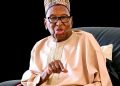
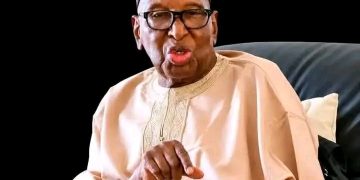
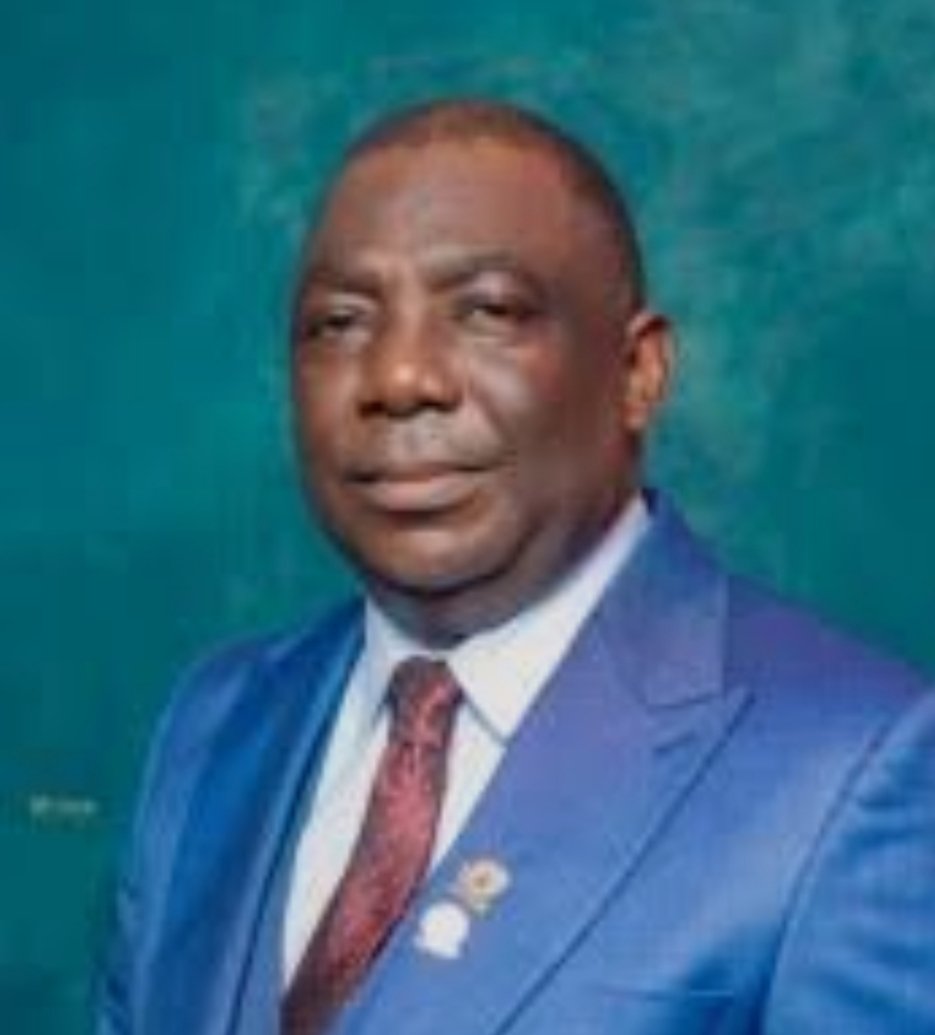
A Professor of Geology at the University of Ibadan, Akinade Shadrach Olatunji, has called for the Nigerian Geological Survey Agency, NGSA, to be removed from the Ministry of Solid Minerals Development and placed directly under the Presidency.
Olatunji said the move would strengthen the agency’s ability to generate and provide reliable geological data required for effective national planning and sustainable development.
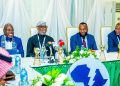
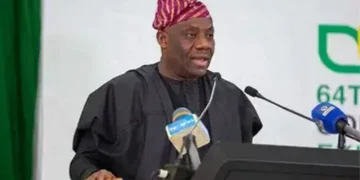
He made the call while presenting a paper titled, “Roles of Geosciences in Attainment of the Sustainable Development Goals,” at a professional training and continuing education programme for geologists in Ibadan.
The former President of the Nigerian Mining and Geosciences Society, NMGS, said geosciences play a critical role in helping Nigeria address development challenges and achieve the United Nations Sustainable Development Goals, SDGs.
He explained that geoscience information on the earth’s surface and subsurface was essential for planning sustainable communities and developing infrastructure, water resources, agriculture and energy.
According to him, disciplines such as hydrology, geophysics and geochemistry provide scientific information needed to tackle challenges relating to water supply, food security, environmental protection and energy security.
Olatunji said geological surveys could help identify reliable groundwater sources, assess soil fertility and detect harmful elements in soil and water before they cause health and environmental problems.
He noted that geotechnical investigations were also necessary to determine the suitability and stability of sites for buildings, roads, bridges, dams and other critical infrastructure.
The don added that geoscience data could support the exploration and development of critical minerals required for renewable energy technologies and Nigeria’s transition to a cleaner energy system.
He stressed that the availability of accurate and up-to-date geoscience data would reduce uncertainty in development planning, improve decision-making and help government make better use of the country’s natural resources.
Olatunji therefore urged government to strengthen the collection, storage and utilisation of geological information across the country.
He proposed that at least 50 per cent of the Natural Resources Development Fund should be allocated annually to the acquisition of geoscience data in areas considered critical to achieving the SDGs.
He also called for the establishment of standalone geological services offices in all states of the federation, including the Federal Capital Territory, to make geological information more accessible to governments, investors, researchers and other stakeholders.
Olatunji further stressed the need for stronger collaboration among government agencies, universities, professional bodies and the private sector in generating and applying geoscience information to national development.
He said geoscientists should be more actively involved in policy formulation and development planning because decisions on land, water, minerals, infrastructure and the environment depend heavily on reliable knowledge of the earth.
The don also emphasised the importance of continuous professional training for geologists and other geoscience professionals to enable them keep pace with emerging technologies and global best practices.
He maintained that investment in geoscience was not only important for mineral exploration but also for addressing wider national challenges, including climate change, environmental degradation, water security, food production and sustainable infrastructure.
Olatunji urged relevant authorities to treat geoscience data as a strategic national asset and ensure its continuous generation, updating and accessibility.
He said effective use of such data would strengthen Nigeria’s capacity to plan for future development while supporting the country’s efforts to achieve the SDGs.