





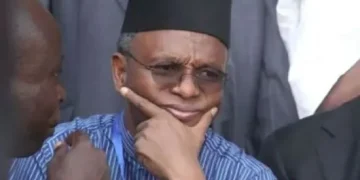





















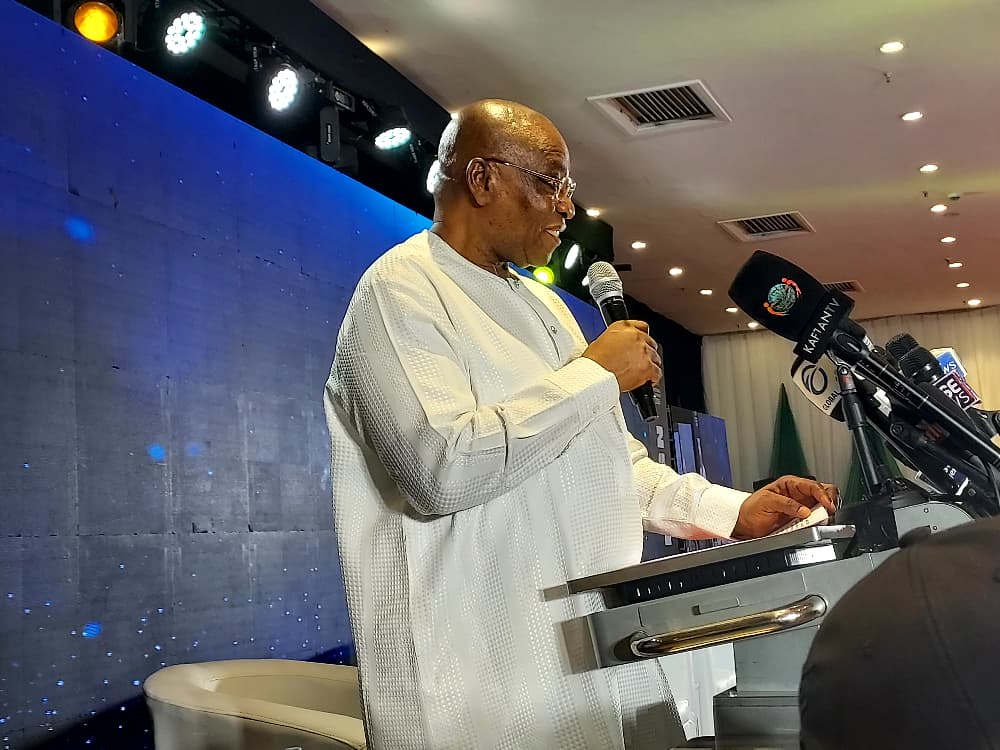
Former Kano State Governor, Alhaji Abdullahi Ganduje, has warned that Nigerians are turning the country’s diversity into a liability instead of harnessing it as a strength for national development.
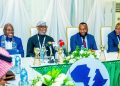
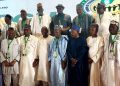
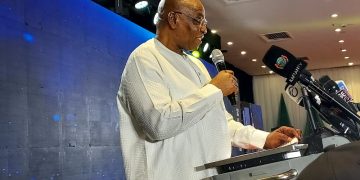
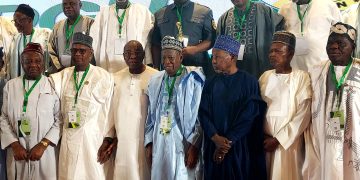
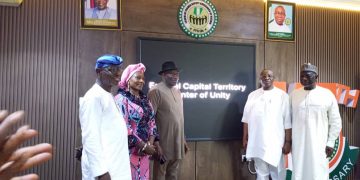
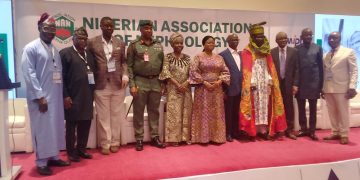
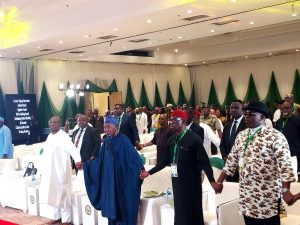
Ganduje spoke stated this at the fifth national conference of the Forum of Former Deputy Governors of Nigeria (FFDGN) in Abuja, where political leaders and stakeholders examined the challenges of nation-building and sustainable development.
He said Nigeria’s diversity should unite its people and strengthen national development, but poor management of ethnic differences had continued to undermine national cohesion.
“Do we all believe in Nigeria? Do we truly believe that our diversity is an asset rather than a liability? The way we manage our diversity today is making it appear more like a liability,” he said.
Reflecting on Nigeria’s history, Ganduje noted that the colonial authorities brought different ethnic nationalities together primarily to serve their economic interests rather than build a united and stronger country.
He, however, commended politicians of the First Republic for developing a sense of nationalism and using political pressure to secure independence.
He regretted that some of the same leaders later embraced tribalism, with political parties largely organised along ethnic lines.
The former governor urged Nigerians to rise above ethnic divisions, develop genuine faith in the country and transform their diversity into an instrument of national progress.
Ganduje also identified the lack of continuity between successive administrations as a major obstacle to sustainable development.
He expressed concern over the friction between outgoing and incoming governors, including those from the same political party, warning that such disputes often result in the abandonment or reversal of projects initiated by previous administrations.
According to him, continuity in governance promotes consolidation, which ultimately leads to sustainable development.
He also called for stronger democratic institutions, stressing the need to examine the capacity of the executive, legislature, judiciary, media, non-governmental organisations and political parties to sustain Nigeria’s democracy.
Earlier, former Delta State Governor, Senator Ifeanyi Okowa, who served as co-chairman of the conference, said nation-building could only succeed when leaders and citizens operated within a social contract founded on trust, accountability, inclusion and shared responsibility.
Okowa lamented that many Nigerians felt increasingly disconnected from governance because their expectations, needs and aspirations had not been adequately addressed.
He identified declining public trust, weak citizen participation in policymaking and inadequate public services as major challenges confronting the country.
He added that young people, women, persons living with disabilities and disadvantaged communities often felt excluded from governance or inadequately catered for.
In his keynote address titled “Rethinking Nation-Building for Sustainable Development: Bridging the Leadership/Citizenship Disconnect,” former Federal Minister, Professor Jerry Gana, stressed the importance of value-based leadership in addressing Nigeria’s development challenges.
Gana argued that good governance required leaders who promoted peace and security, upheld the rule of law and demonstrated the courage to make difficult decisions.
He also emphasised the importance of leadership teams, noting that no leader could achieve meaningful results without a competent and principled inner circle.
In his welcome remarks, National Chairman of FFDGN, Dr Chris Alozie Akomas, called on Nigerians to work together to rebuild trust, strengthen national unity and address the moral challenges confronting society.
He said nation-building could not be achieved by government alone, stressing that citizens must also take responsibility for the country’s future.
“A nation is never rescued by its government alone; it is saved by the conscience of its people,” Akomas said.
He urged Nigerians to begin the process of national renewal in their homes, schools, religious centres and local communities.
Akomas said the forum was committed to serving as a bridge between leaders and citizens, promoting moral re-engineering and advancing national unity.
He added that the conference was intended to go beyond speeches and produce a renewed commitment to national healing, collective responsibility and development.
Also speaking, Director-General of FFDGN, Hon. Kenneth Ibe-Kalu, expressed concern over the widening disconnect between political leadership and citizens.
He called for renewed efforts to promote civic education, encourage integrity and tackle indiscipline and other forms of social misconduct.
Ibe-Kalu said the forum planned to engage internationally recognised institutions to develop practical solutions to Nigeria’s pressing challenges.
Although funding constraints remained a challenge, he said the organisation was determined to pursue its objectives and welcomed partnerships with public and private sector stakeholders.
The conference focused on finding practical ways to bridge the gap between leadership and citizenship, strengthen institutions and promote sustainable national development.