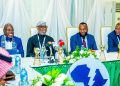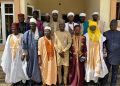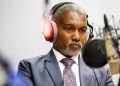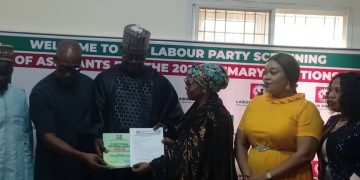

































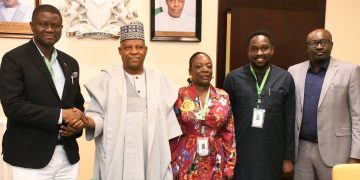



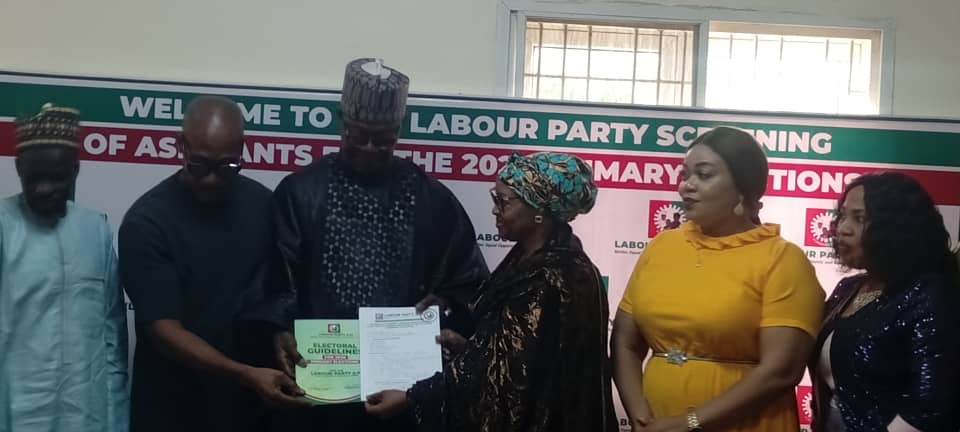
Presidential hopefuls and National Assembly aspirants on the platform of the Labour Party have unveiled their plans for the 2027 general elections following the party’s screening exercise in Abuja.
The aspirants used the screening session to outline visions focused on security, youth mobilisation, constitutional reforms, and accountable leadership.
One of the presidential aspirants, Samuel Nwigwe, said Nigeria could achieve rapid development by adopting governance models from countries such as the United Kingdom, Singapore, Canada, and the Netherlands.
Speaking after the screening at the Labour Party national headquarters, Nwigwe said his experience abroad convinced him that Nigeria can build a secure and productive economy through strong institutions and effective social welfare systems.
He cited the UK’s welfare and security framework as an example Nigeria should emulate, stressing that no child should go hungry in a nation blessed with enormous resources.
Nwigwe also called for urgent constitutional reforms and improved security response systems to tackle kidnapping and violent crimes across the country.
According to him, insecurity has displaced many Nigerians and weakened public confidence in government, but can be reversed through political will and responsible leadership.
Another presidential aspirant, Peter Agada, said he was ready to mobilise millions of young Nigerians ahead of the 2027 elections through an extensive political network built over two decades.
Agada, a former chairman of the party’s Support Groups Council, said he previously coordinated more than 500 support groups nationwide and had already begun rebuilding the structure for the next election cycle.
He said his focus would be on engaging first-time voters and expanding the “Obidient” movement through people-driven politics and clear ideological direction.
Former Minister of Information and ex-Deputy Governor of Nasarawa State, Labaran Maku, also pledged to pursue national reforms and constitutional restructuring if elected into the Senate under the Labour Party.
Maku argued that much of Nigeria’s insecurity was politically driven and called for a governance structure capable of promoting unity, accountability, and development.
He said his experience in journalism and public service shaped his commitment to democracy and national stability, adding that Nigeria needed a constitution that truly reflects the aspirations of its people.
Also speaking, House of Representatives aspirant, Chief Solomon Onyejido, seeking to represent Nwangele/Nkwerre/Njaba/Isu Federal Constituency, described the Labour Party as the country’s strongest opposition platform. He promised to focus on roads, water supply, electricity, and improved representation if elected in 2027.