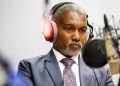





































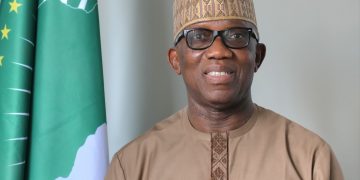






The National Leader of Persons with Disabilities, PWDs, in the African Democratic Congress (ADC), Dr. Chike Okogwu, says Nigeria’s democracy cannot be considered complete while millions of persons with disabilities remain excluded from opportunities, services and governance.
This is contained in his Democracy Day message titled “Democracy Without Access is Democracy Denied,” in Abuja.
According to the statement, Okogwu laments that four years after he warned about the challenges facing PWDs, many of the issues remain unresolved.
The statement argues that democracy should be measured by the condition of the most vulnerable citizens, stressing that inaccessible public facilities, discrimination and exclusion continue to deny many Nigerians with disabilities the full benefits of democratic governance.
According to him, the worsening economic situation has hit persons with disabilities particularly hard, as rising food prices, transportation costs and medical expenses have pushed many vulnerable families deeper into hardship.
The statement also expresses concern over the impact of insecurity on PWDs, noting that persons with disabilities face unique risks during attacks, displacement and humanitarian emergencies due to inadequate disability-sensitive response systems.
According to the statement, the ADC chieftain unemployment remains a major challenge despite the growing number of qualified and educated persons with disabilities, blaming discrimination and inaccessible recruitment processes for the exclusion of many capable citizens from the workforce.
It further describes unreliable electricity supply as a serious threat to the independence and wellbeing of many PWDs who rely on assistive devices, medical equipment and communication tools that require constant power.
On healthcare, the statement explain that many hospitals remain inaccessible, while rehabilitation services, assistive devices and sign language interpretation are either scarce or unaffordable, leaving many persons with disabilities without adequate care.
The statement identifies transportation and aviation as areas requiring urgent reforms, noting that public transport systems, pedestrian infrastructure and many airport facilities still fall short of accessibility standards despite some progress within the aviation sector.
According to statement, the ADC disability leader also warns against growing digital exclusion, saying government services, education and economic opportunities are increasingly moving online without adequate accessibility measures for persons with disabilities.
While acknowledging the existence of the Disability Act, he says implementation has remained weak, arguing that laws alone are insufficient without visible improvements in the daily lives of those they are meant to protect.
According to the statement, Okogwu calls on government, political parties, the private sector and civil society organisations to move beyond symbolic gestures and adopt policies that guarantee social protection, accessible healthcare, inclusive education, economic empowerment, transportation access and disability-sensitive security planning.
It adds that the ADC will prioritise the full implementation of disability rights, targeted social protection programmes, inclusive employment policies and accessibility standards across public institutions as part of its governance agenda.
According to him, the more than 30 million Nigerians persons with disabilities are not seeking charity but justice, equal opportunity and meaningful participation, insisting that Nigeria’s democracy will remain unfinished until inclusion becomes a reality for all citizens.
By Georgina Humphrey