













































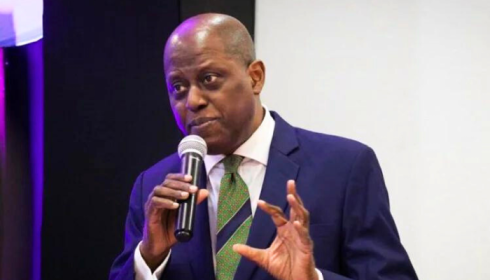
Governor of the Central Bank of Nigeria (CBN), Olayemi Cardoso, says the Bank’s tight monetary stance since 2023 was necessary to stabilise Nigeria’s economy amid sweeping structural reforms.
Speaking after the 304th Monetary Policy Committee (MPC) meeting, Cardoso noted that recent macroeconomic indicators show signs of improvement, with headline inflation easing to 15.1 per cent in January 2026 — marking the eleventh consecutive month of deceleration.
He described the earlier policy tightening as tough but effective in restoring price stability and investor confidence.
At the meeting, the MPC reduced the Monetary Policy Rate (MPR) by 50 basis points from 27.0 per cent to 26.5 per cent, while retaining the Cash Reserve Ratio at 45 per cent for commercial banks and 16 per cent for merchant banks, and maintaining the Liquidity Ratio at 30 per cent.
The Standing Facilities Corridor was fixed at +50/-450 basis points around the MPR.
The CBN Governor said the measured easing reflects a cautious shift toward supporting economic growth without undermining stability.
He emphasised that the Bank remains committed to orthodox monetary policy and will continue to monitor inflationary pressures closely.
The policy direction comes amid broader fiscal reforms by the administration of Bola Ahmed Tinubu, including fuel subsidy removal and foreign exchange unification.
While investors and organised private sector groups have welcomed the rate cut as a positive signal, some analysts argue that structural factors such as energy costs, insecurity and supply chain challenges must also be addressed to sustain growth.