

































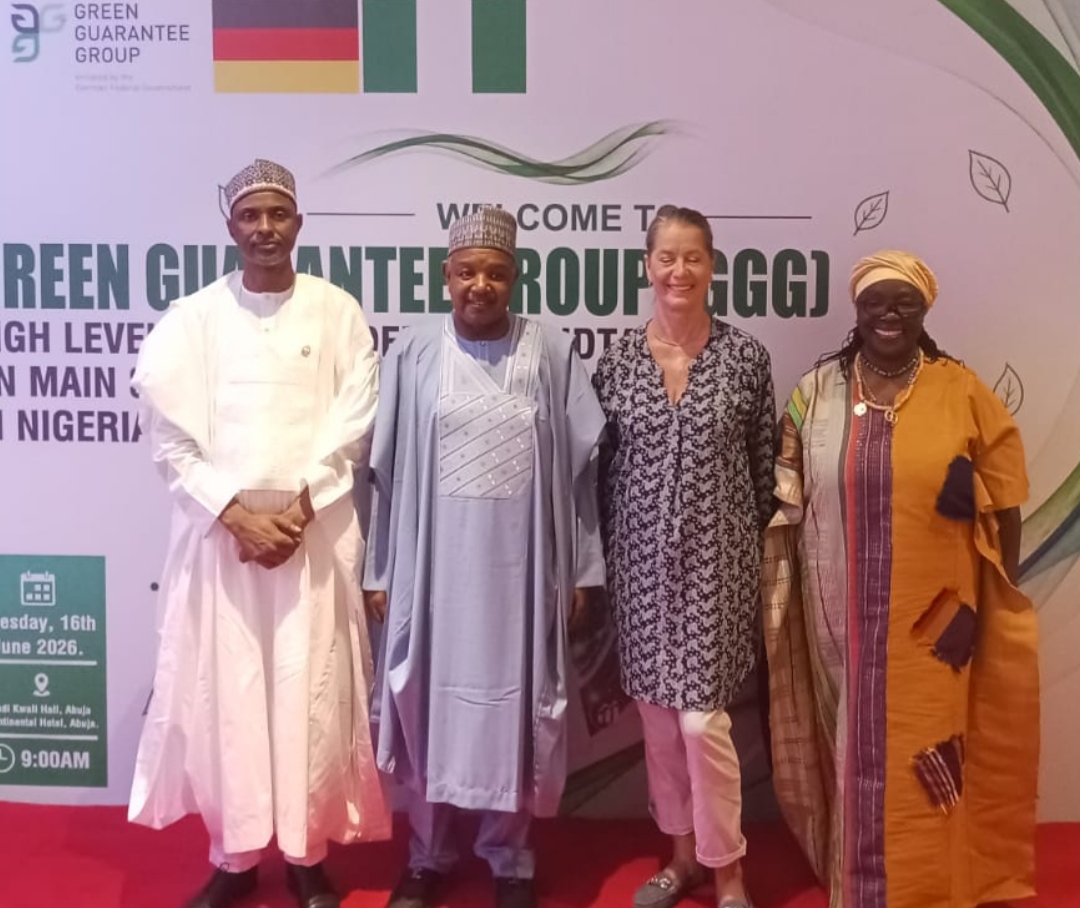
The Federal Government has reaffirmed its commitment to strengthening international partnerships and deploying innovative financing mechanisms to unlock investments in green development, support small and medium-scale enterprises (SMEs), and accelerate sustainable economic growth across Nigeria.
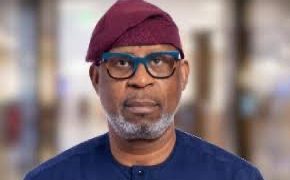
Speaking at a high-level climate finance and development workshop in Abuja, the Minister of Solid Minerals Development, Dr. Dele Alake, said Nigeria remains focused on creating policies and institutional frameworks capable of attracting private capital into strategic sectors of the economy.
The minister explained that sustainable development requires stronger collaboration among governments, development institutions, private investors, and international partners to address financing gaps, especially in emerging economies.
According to him, sectors such as renewable energy, mining, agriculture, infrastructure, and climate-resilient industries require innovative funding mechanisms that reduce risks and encourage long-term investments.
Dr. Alake stressed that guarantee instruments have become essential tools for de-risking investments and mobilizing private sector funding needed to accelerate economic transformation and climate adaptation efforts.
He described micro, small, and medium-scale enterprises (MSMEs) as critical drivers of economic growth, job creation, and innovation, stressing that access to finance remains key to helping businesses expand and compete effectively.
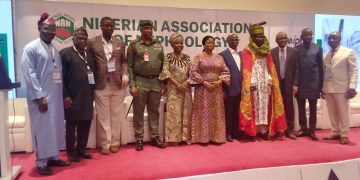
The minister said the workshop offered an important platform for policymakers, financial institutions, development partners, and private sector stakeholders to exchange ideas and identify practical solutions to Nigeria’s development financing challenges.
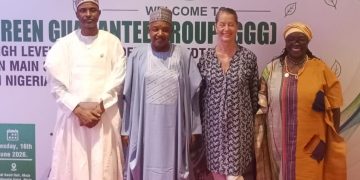
Also speaking, Chairman of the Green Guarantee Group (GGG), Mr. Lars-Hendrik Roeller, stressed the need to move climate finance discussions from policy conversations to practical implementation through national initiatives and stakeholder collaboration.
Roeller noted that guarantees have emerged globally as important instruments for reducing pricing risks, improving investor confidence, and unlocking private capital for climate and development projects.
He explained that the Green Guarantee Group is working to establish a stronger global guarantee architecture capable of supporting sustainable investments, particularly in developing countries.
According to him, Nigeria, as Africa’s largest economy and Co-Chair of the GGG, is strategically positioned to lead efforts in building practical financing solutions capable of accelerating green industrialization.
The GGG chairman stated plans to expand international cooperation through an alliance of countries focused on improving guarantee systems and strengthening climate financing mechanisms.
In his goodwill message, President of the Africa Finance Corporation (AFC), Mr. Samaila Zubairu, represented by Dr. Mohamed Musa, said Nigeria possesses enormous potential to become a leading destination for climate-aligned investments.
He emphasized that the country’s success would depend on building strong project pipelines, strengthening institutional capacity, and attracting both regional and global partnerships.
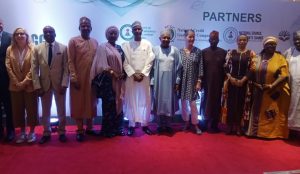
The German Ambassador to Nigeria, Annett Günther, reaffirmed Germany’s commitment to deepening climate finance cooperation with Nigeria to unlock private investments and strengthen sustainable development efforts.
The envoy explained that climate financing needs remain significantly high across Africa, making stronger African-European partnerships essential for addressing climate adaptation and development challenges.
She stated that guarantees have proven effective in reducing investment risks and can mobilize up to six times more private financing than traditional development instruments.
The ambassador further stressed that Germany is supporting Nigeria’s climate financing architecture through partnerships involving relevant ministries and guarantee institutions to strengthen investment mobilization.
Meanwhile, Resident Representative of the United Nations Development Programme (UNDP) in Nigeria, Ms. Elsie Attafuah, said climate-aligned financing should go beyond environmental concerns to include economic growth, infrastructure development, job creation, and resilience building.
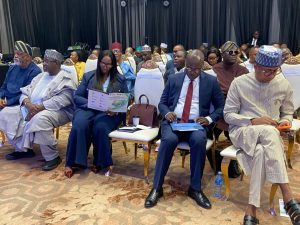
Attafuah stressed that guarantees should not be viewed merely as risk-management tools but as development accelerators capabl investments in renewable energy, agriculture, critical minerals, and infrastructure, while transforming livelihoods and supporting Nigeria’s broader economic ambitions.
Participants at the workshop agreed that stronger collaboration, improved guarantee systems, and sustained political commitment would be critical to mobilizing large-scale investments required to drive Nigeria’s grn economy and sustainable development agenda.