







































Nigeria has taken another step towards strengthening its green industrialisation agenda with the unveiling of a strategic roadmap aimed at leveraging the country’s critical mineral resources to drive clean energy development and local manufacturing.
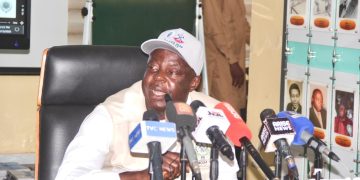
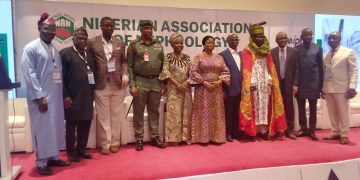
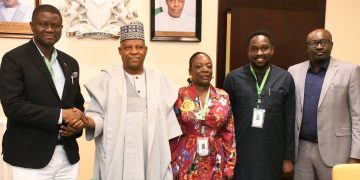
The Council for Critical Minerals Development in the Global South officially presented the landmark report to the Minister of Solid Minerals Development, Dr. Dele Alake, in Abuja.
The report outlines how Nigeria can align its vast deposits of critical minerals with national clean energy goals by assessing domestic demand for solar photovoltaic (PV) systems, battery energy storage and electric vehicles.
It also evaluates current mineral supply, trade patterns and existing gaps while recommending policy measures to strengthen local value addition.
According to the report, Nigeria’s abundant reserves of lithium, copper and bauxite position the country to become a major supplier of critical minerals required for the global energy transition while supporting domestic industrial growth.
Receiving the report, the Minister of Solid Minerals Development, Dr. Dele Alake described it as a strategic policy tool that will guide government efforts to maximise the country’s mineral resources for economic diversification and green industrialisation.
Dr. Alake said the report provides mineral-specific policy pathways by mapping domestic demand, supply and trade patterns, enabling Nigeria to harness its resources for sustainable industrial development.
The Council, hosted by Sustainable Energy for All (SEforALL) and the Global South Centre for Clean Transportation in partnership with the Ministry of Solid Minerals Development, announced plans to commence the next phase of implementation.
The initiative will focus on developing a mineral-to-manufacturing localisation roadmap, promoting value addition within Nigeria, strengthening South-South investment partnerships and attracting manufacturers and investors to support green industrial projects.
The report marks the culmination of a collaborative process that began during AFNIS 2024, with the Ministry of Solid Minerals Development, the Council and Core International working together to produce the strategic document.