





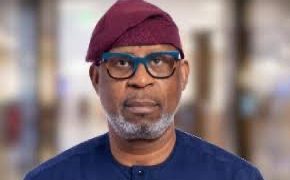

































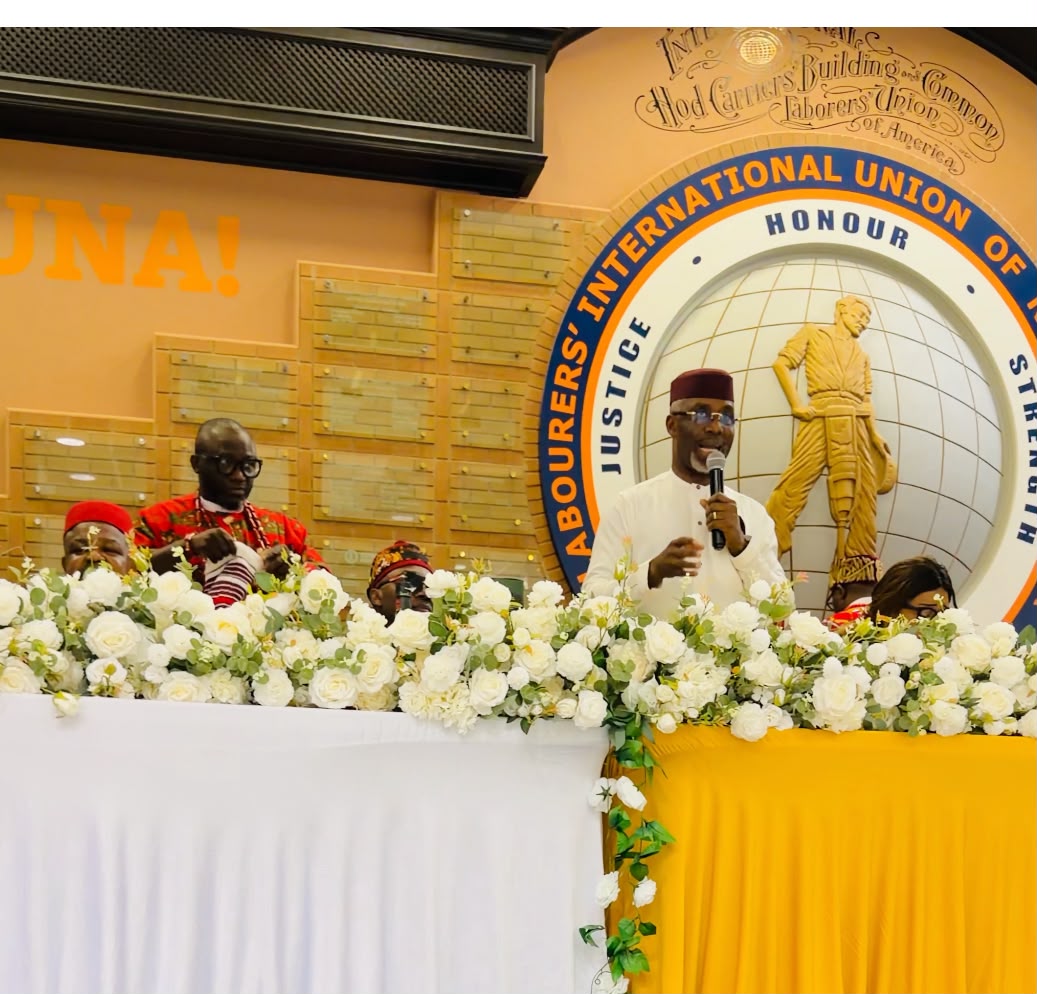
Former Chief of Staff to the former Imo State Governor, Ugwumba Uche Nwosu, has called for a comprehensive reform of the traditional Igbo apprenticeship system to make it more inclusive, accountable and responsive to the demands of the modern global economy.
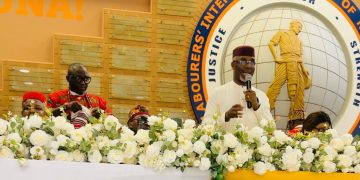
Ugwumba Nwosu stated at the 2026 Igbo National Convention organised by Igbo Union in Canada.
He described the apprenticeship model, popularly known as Igba Boi, Imu Ahia and Imu Oru, as one of the greatest expressions of Igbo entrepreneurial wisdom that has produced generations of successful business owners.

The former Chief of staff said the system had long embraced the principles of mentorship, business incubation, practical training and enterprise development before such concepts gained global recognition.
According to him, the uniqueness of the system lies in its deliberate transfer of knowledge and resources, where established entrepreneurs train young people and empower them to become independent business owners, even when they may eventually become competitors.
Nwosu noted that the apprenticeship model played a critical role in rebuilding the Igbo economy after the Nigerian Civil War by transforming thousands of young people into traders, manufacturers, transporters, artisans and employers.
He, however, acknowledged that the system faces significant challenges, including the failure of some masters to settle apprentices, the absence of written agreements, exploitation, exclusion of women and inadequate training in technology, financial management and digital entrepreneurship.
He advocated modern reforms that would include written contracts, structured training programmes, clearly defined settlement arrangements, safe working environments, recognised certificates and transparent mechanisms for resolving disputes.
The former Chief of Staff also stressed the need to deliberately include women and girls in the apprenticeship system, saying the future of Igbo enterprise cannot be built while excluding half of its talent.
Nwosu urged members of the Igbo diaspora to move beyond financial remittances by investing their knowledge, professional experience, technology and international networks in mentoring young entrepreneurs at home.
He encouraged professionals in medicine, engineering, technology and business to adopt at least one apprentice and support them with mentorship, skills, equipment, market access and seed capital.
The former Chief of Staff proposed the initiative, “One Successful Igbo Professional, One Apprentice, One Future Enterprise,” saying such a commitment would produce more business owners, reduce unemployment and strengthen economic independence across Igboland.
He further urged the Igbo community in Canada to ensure that the proposed Igbo House serves not only as a cultural centre but also as a hub for entrepreneurship, innovation, mentorship, skills acquisition and investment opportunities for younger generations.
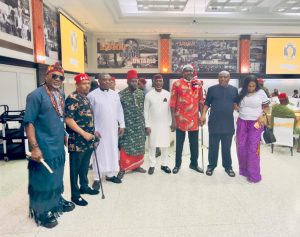
Nwosu emphasised that preserving the Igbo apprenticeship tradition requires protecting its core values while adapting it to contemporary realities through technology, accountability, education and global partnerships.
He called on successful Igbo men and women to make raising future entrepreneurs part of their legacy, stressing that enduring prosperity is achieved when knowledge, opportunities and wealth are intentionally transferred from one generation to another.