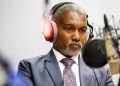







































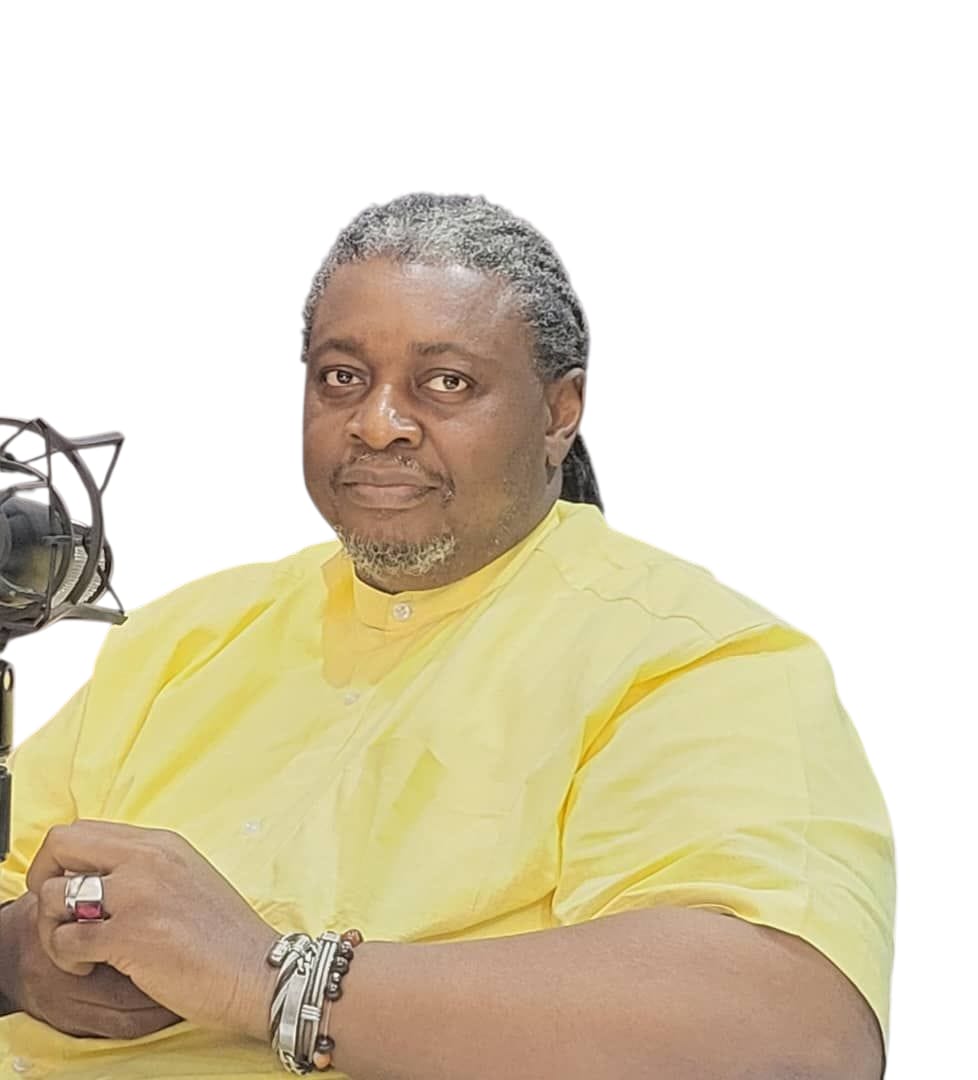
The National Leader of African Democratic Congress, ADC, Persons With Disabilities, Dr. Chike Okogwu, says Nigeria cannot overcome its security challenges through military operations alone.
Okogwu stated this in an article titled “The Man, The Rottweilers and The Marauders: Nigeria Cannot Afford to Keep Holding the Leash,” where he examined the country’s security situation and the role of leadership in addressing it.
He stressed that effective governance, economic opportunities, technology, intelligence gathering, justice and public trust are critical to achieving lasting peace and security.
Okogwu who is also a
member of the ADC 50 Wise Men and Women Policy and Manifesto Committee, argued that while security agencies continue to make sacrifices in the fight against terrorism, insurgency, banditry, kidnapping and other violent crimes, the nation’s security challenges persist because of deeper governance and institutional failures.
Drawing from an analogy shared by a serving Nigerian Army Colonel, Okogwu compared Nigeria’s security architecture to a wealthy estate owner who refused to release his trained Rottweiler dogs while marauders attacked his property.
According to him, the dogs, despite being capable and ready to defend the estate, remained restrained throughout the attack, only to be blamed afterwards for failing to stop the destruction.
He said the story reflects the reality faced by security personnel who are often expected to deliver results while operating under restrictions, inadequate support, poor coordination, delayed procurement and political interference.
The policy strategist noted that despite increasing security budgets and expenditures by both federal and state governments, insecurity continues to threaten communities across the country.
He attributed the situation partly to corruption, intelligence failures, weak inter-agency collaboration, porous borders, delayed justice and insufficient accountability within governance structures.
Okogwu maintained that security should not be treated solely as a military responsibility but as a collective national undertaking requiring coordinated action across all sectors of government and society.
He called on leaders at all levels to strengthen institutions, improve intelligence-sharing mechanisms and create an environment that enables security agencies to perform their duties effectively.
The disability advocate also highlighted the disproportionate impact of insecurity on Persons With Disabilities (PWDs), noting that many face greater difficulties accessing safety, healthcare and emergency support during crises.
He said attacks and displacement often leave PWDs vulnerable due to limited mobility, lack of accessible information and the absence of disability-inclusive response measures.
Okogwu further expressed concern over the growing psychological and economic toll of insecurity on families, communities and businesses across the country.
According to him, prolonged violence has forced many Nigerians to live in fear, disrupted livelihoods and weakened public confidence in institutions responsible for protecting lives and property.
He warned that the normalization of insecurity poses a serious threat to national development, as citizens may gradually lose faith in the ability of government to guarantee their safety.
Okogwu stressed that the country’s greatest challenge is no longer whether security agencies have the capacity to defend the nation, but whether political leaders possess the commitment and will to implement the reforms necessary to make the security system work effectively.
He urged government at all levels to prioritize accountability, strengthen governance and adopt a comprehensive approach to security in order to restore public confidence and protect vulnerable communities.