


































The Solid Minerals Development Fund, SMDF, says Nigeria is making steady progress towards increasing the contribution of the solid minerals sector to three per cent of the nation’s Gross Domestic Product (GDP) by 2030 through ongoing reforms and increased investment.
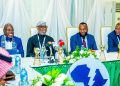
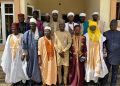
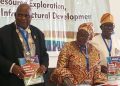
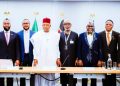
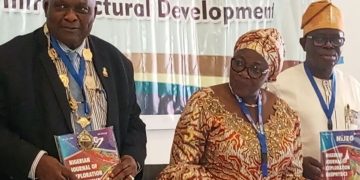
Executive Secretary of SMDF, Mrs. Fatima Shinkafi, stated this while delivering the keynote address at the maiden Faculty of Physical and Earth Sciences Annual Lecture Series at the University of Lagos.
Speaking on the theme, “Building Nigeria’s Solid Minerals Future: The Power of Academia, Government and Industry in Partnership,” Shinkafi stressed that Nigeria has vast mineral resources that remain largely untapped.
She said the country has more than 44 commercially viable minerals in over 500 locations, including gold, lithium, iron ore, coal, barite, bitumen and gemstones, but the sector contributes less than one per cent to the nation’s GDP.
According to her, the poor performance prompted the introduction of the Minister of Solid Minerals Development, Dr. Dele Alake’s Seven-Point Agenda under President Bola Tinubu’s Renewed Hope Agenda to transform the sector.
She explained that the agenda focuses on attracting investment, improving geoscience data, formalising artisanal miners, tackling illegal mining, revoking inactive licences, promoting local value addition and establishing the Nigerian Solid Minerals Corporation.
Shinkafi said the reforms have increased federation revenue from the sector from about ₦16 billion in 2023 to over ₦70 billion in 2025, representing more than 337 per cent growth in two years.
She added that the sector also recorded a real growth rate of 33.5 per cent in 2025, far above Nigeria’s overall economic growth rate of 3.9 per cent.
The SMDF boss that the reforms have attracted about 2.6 billion dollars in new investment commitments, including a 1.3 billion dollar alumina refinery, the largest mining investment in the country’s history.
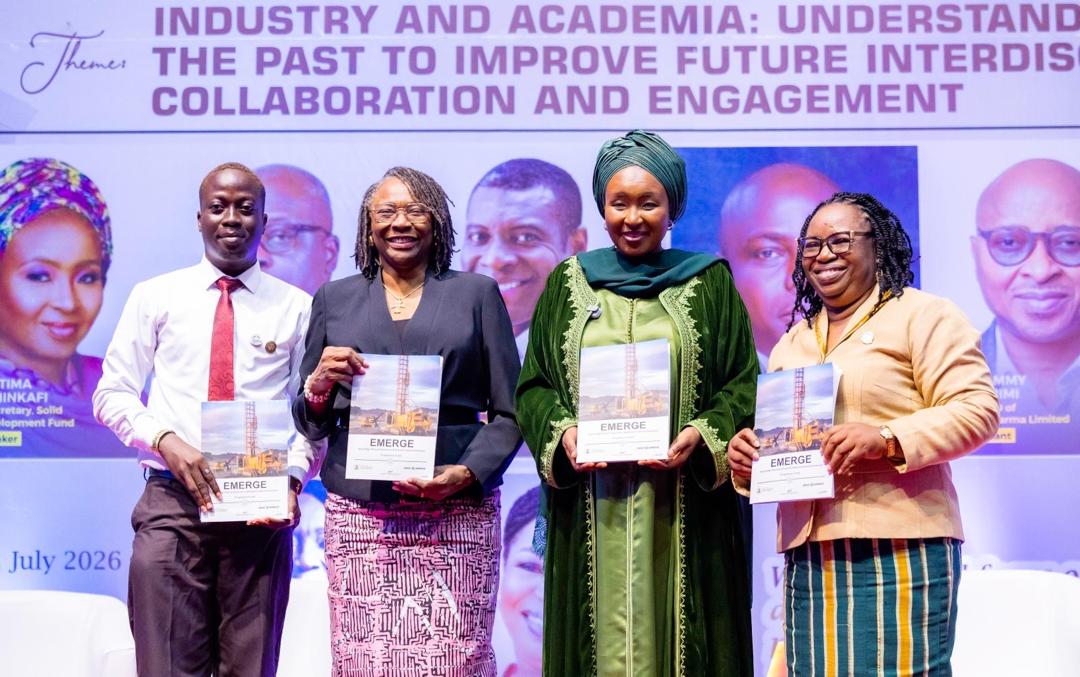
She also highlighted the launch of the Early-Stage Mineral Exploration and Research Grant Endowment (EMERGE), describing it as Nigeria’s first competitive grant programme dedicated to geoscience research.
According to her, EMERGE will fund research in mineral exploration, critical minerals and research and development, while successful applicants will also receive technical support and access to further investment opportunities.
Shinkafi encouraged universities to take advantage of the programme by submitting research proposals that will support the growth of Nigeria’s mining industry.
She also urged more young women to pursue careers in the mining sector, saying opportunities in the industry are open to everyone with the required knowledge and skills.
On her part, Vice-Chancellor of the University of Lagos, Professor Folasade Ogunsola, and the pioneer Dean of the Faculty of Physical and Earth Sciences, Professor Olayinka Taiwo Asekun, described the lecture as a timely initiative that would strengthen collaboration between universities, government and the mining industry.