




































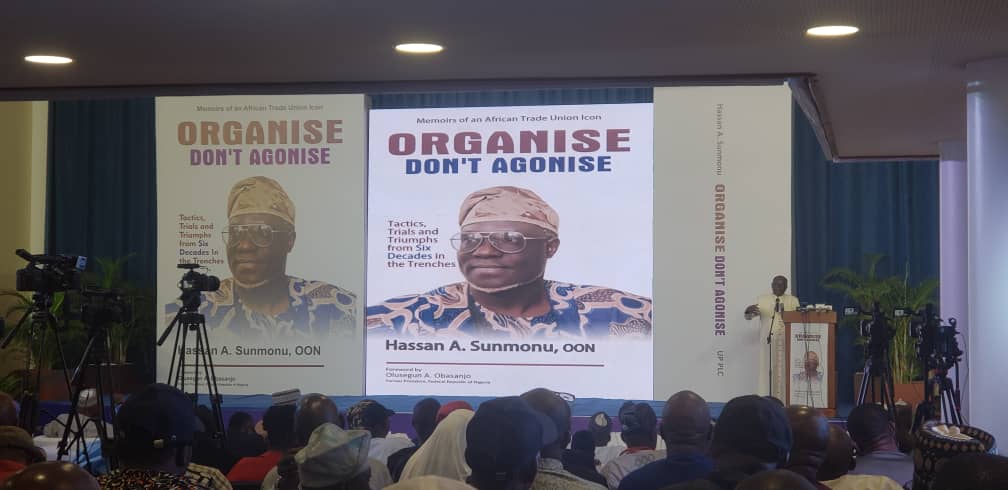
Former President Olusegun Obasanjo has described organised labour as a critical pillar of national development, calling on workers’ unions to move beyond agitation and position themselves as strategic partners in governance and policy formulation.
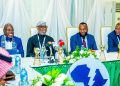
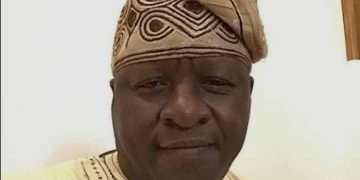
Obasanjo made this known at the public presentation of the book “Organise, Don’t Agonise”, authored by the pioneer President of the Nigeria Labour Congress (NLC), Comrade Hassan Sunmonu, who marked his 85th birthday, in Abuja.
The former president, who was represented at the event by Senator Adams Oshiomhole, stressed that the labour movement should not be viewed as a short-term pressure group, but as an institution capable of influencing leadership, economic planning and social stability at the highest levels.
He noted that effective organisation, rather than persistent lamentation, remains the key to meaningful progress for workers and the nation at large.
Obasanjo also highlighted the importance of autobiographies in national development, describing them as vital tools for documenting struggles, policy choices, leadership challenges and lessons learned.
He said such records help younger generations to better understand governance processes and avoid repeating past mistakes.
Reviewing the book, the Catholic Bishop of Sokoto Diocese, Bishop Matthew Hassan Kukah, praised its clarity and accessibility, noting that it reflects the core philosophy of the labour movement — action over despair.
Bishop Kukah said the book’s simple language and conversational style make it easy to read while offering deep insights into trade unionism, leadership and public service.
He noted that the publication presents an honest account of challenges, successes and failures encountered in the struggle for workers’ rights.
“Organise, Don’t Agonise” spans 30 chapters and 286 pages, detailing Comrade Sunmonu’s family background, professional journey, leadership of the labour movement and reflections on national issues.
Bishop Kukah commended the author for documenting his experiences, describing him as a disciplined leader whose contributions helped shape organised labour in Nigeria and strengthen democratic engagement.
Earlier in his welcome address, the President of the Nigeria Labour Congress, Comrade Joe Ajaero, said the philosophy of “Organise, Don’t Agonise” also implies that government at all levels has a responsibility to engage rather than enrage organised labour.
Comrade Ajaero called for deeper, more sincere and structured engagement with the trade union movement, noting that policies on fuel pricing, taxation, wages and social services must be crafted with the active and respected input of workers’ representatives.
He warned that sidelining organised labour in policy formulation amounts to building on weak and exclusionary foundations, which often result in social tension and instability, as is currently being witnessed in the country.
The NLC President also used the occasion to call on the Federal Government to fully constitute the board of the National Pension Commission (PENCOM) and address the bottlenecks surrounding the Tax Law, rather than proceeding without adequate consultation.
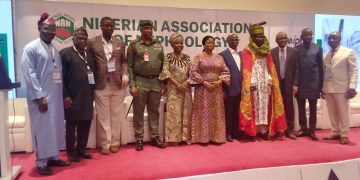
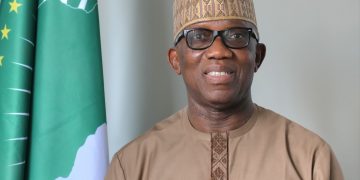
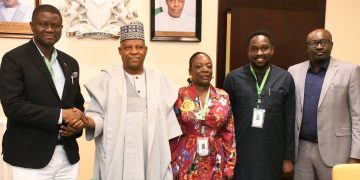
The event featured goodwill messages from the African Union (AU) High Representative for Silencing the Guns, Dr Mohammed Ibn Chambas, former Head of State, General Abdulsalami Abubakar (rtd), General Ike Nwachukwu (rtd), human rights lawyer Femi Falana (SAN), and Professor Ibrahim Gambari, amongst others.
The book launch attracted labour leaders, policymakers, academics and members of the public, who described the publication as a timely contribution to ongoing conversations on governance, social justice and the future of organised labour in Nigeria