



































Former Minister of Foreign Affairs, Ike Nwachukwu, has called for sweeping reforms in Nigeria’s foreign service architecture, including the establishment of a Foreign Service Commission to strengthen professionalism and institutional stability.
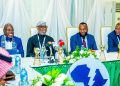
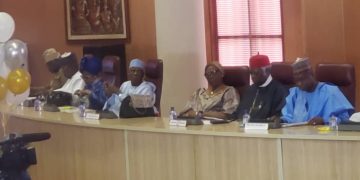
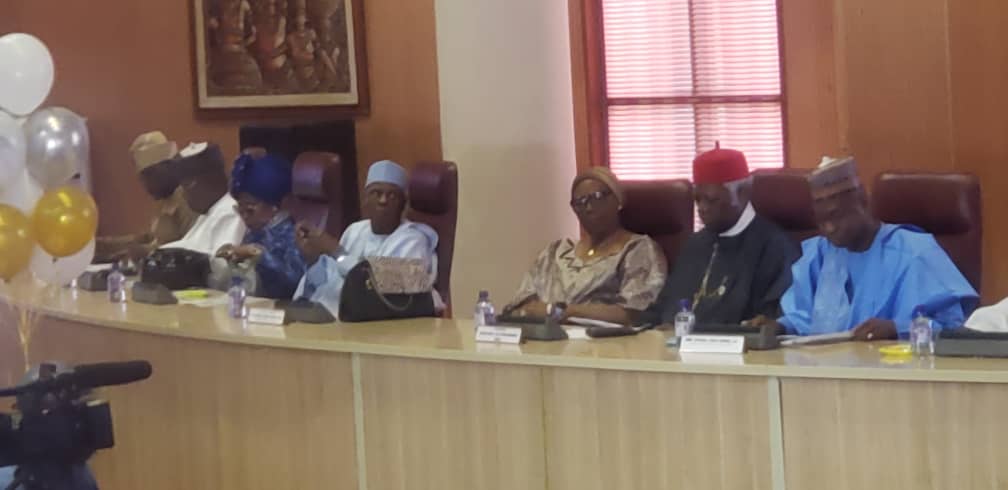
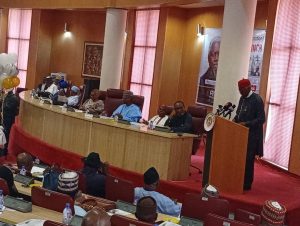
Nwachukwu made the call in Abuja at the public presentation of a memoir titled “Fragments of Time: My Foreign Service Years,” where diplomats, policymakers, and scholars gathered to reflect on Nigeria’s diplomatic evolution.
He expressed concern over the increasing appointment of non-career ambassadors, warning that the trend is undermining morale and limiting career progression for professional diplomats.
According to him, the imbalance has created a bottleneck that prevents young officers from rising to the peak of their careers despite years of service.
“We must establish a Foreign Service Commission to institutionalise best practices, protect the integrity of the service, and ensure that career diplomats are given a fair opportunity to grow,” he said.
The retired Major General urged the Federal Government to return to a structured ratio between career and non-career ambassadors to preserve professionalism within the system.
“We must return to a balanced ratio that rewards merit and experience while accommodating national considerations,” he added.
Nwachukwu also stressed the need for improved funding of Nigeria’s foreign missions, noting that effective diplomacy depends on adequate resources and institutional support.
“Our missions must be properly funded. Without resources, our ability to represent Nigeria effectively on the global stage will be constrained,” he said.
Also speaking, former Foreign Affairs Minister, Sule Lamido, emphasised national identity and inclusive governance as key pillars of effective diplomacy.
Lamido reflected on his experience in office, highlighting the initial challenges of working with career technocrats as a political appointee.

“There was a gap in orientation. I had to find a way to bridge it and ensure that my vision was understood,” he said.
He explained that he addressed the disconnect by exposing senior officials to grassroots realities, reinforcing the importance of understanding Nigeria beyond bureaucratic settings.
“Nigeria is a mix of cultures and realities. Leadership must reflect that diversity and engage the world with dignity and confidence,” he stated.
In his remarks, the author of the book, Ambassador Eineje Onobu, traced Nigeria’s foreign policy development and highlighted the role of leadership in shaping diplomatic outcomes.
He recalled his early career, including working with Bolaji Akinyemi on key initiatives such as the Medium Powers concept and the Technical Aid Corps, which he described as enduring contributions to Nigeria’s global engagement.
Onobu also paid tribute to Nwachukwu’s leadership, noting its impact on both institutional development and individual careers within the service.
“He challenged us to excel not just professionally but as Nigerians, inspiring a generation of diplomats to serve with dedication and vision,” he said.
Earlier, Chairman of the Organising Committee, Amb. Godknows Igali, underscored the importance of documentation in preserving Nigeria’s diplomatic history.
Igali described the book as a significant contribution to understanding the country’s foreign policy trajectory, noting that it provides insight into decades of diplomatic practice and decision-making.
“This is more than a memoir; it is a record of how Nigeria has engaged the world and how its diplomacy has evolved over time,” he said.
He added that the event reflects a growing commitment among Nigerian diplomats to document their experiences and strengthen institutional memory for future generations.